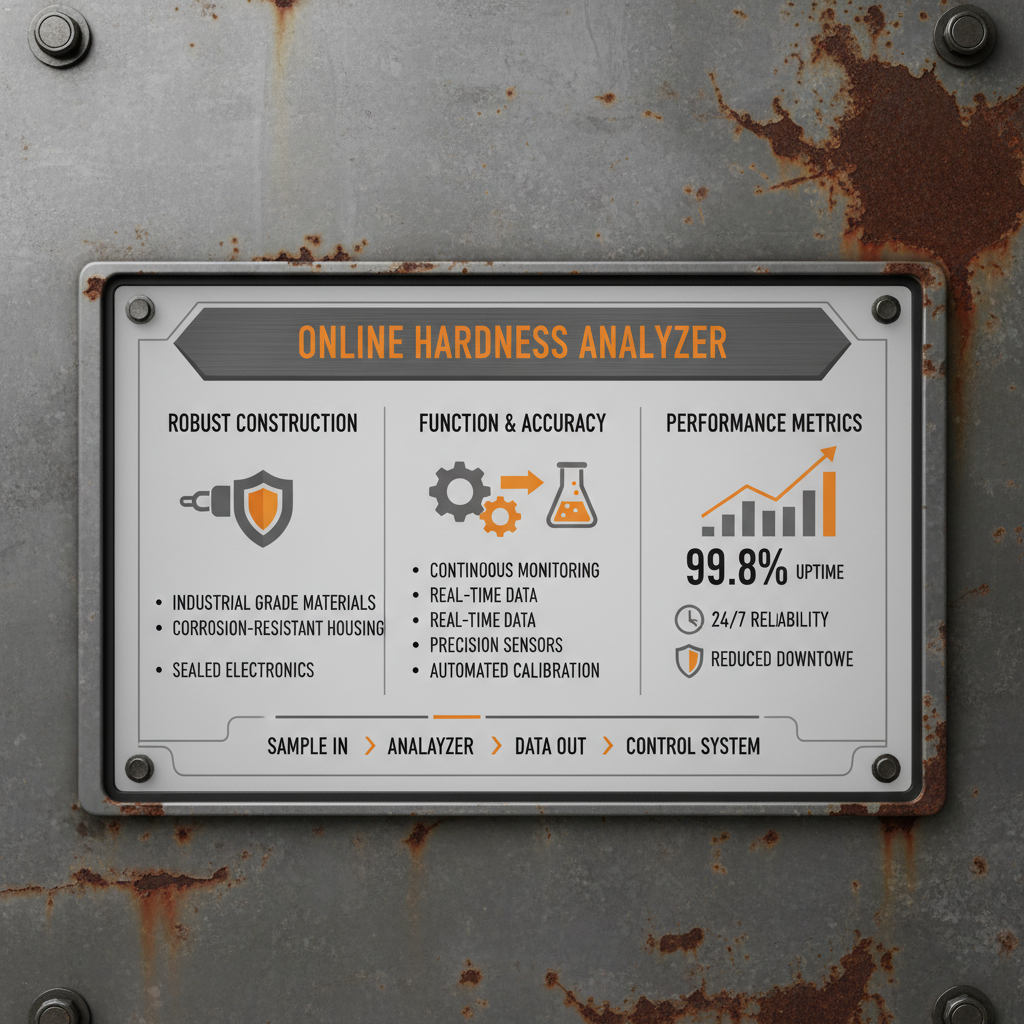
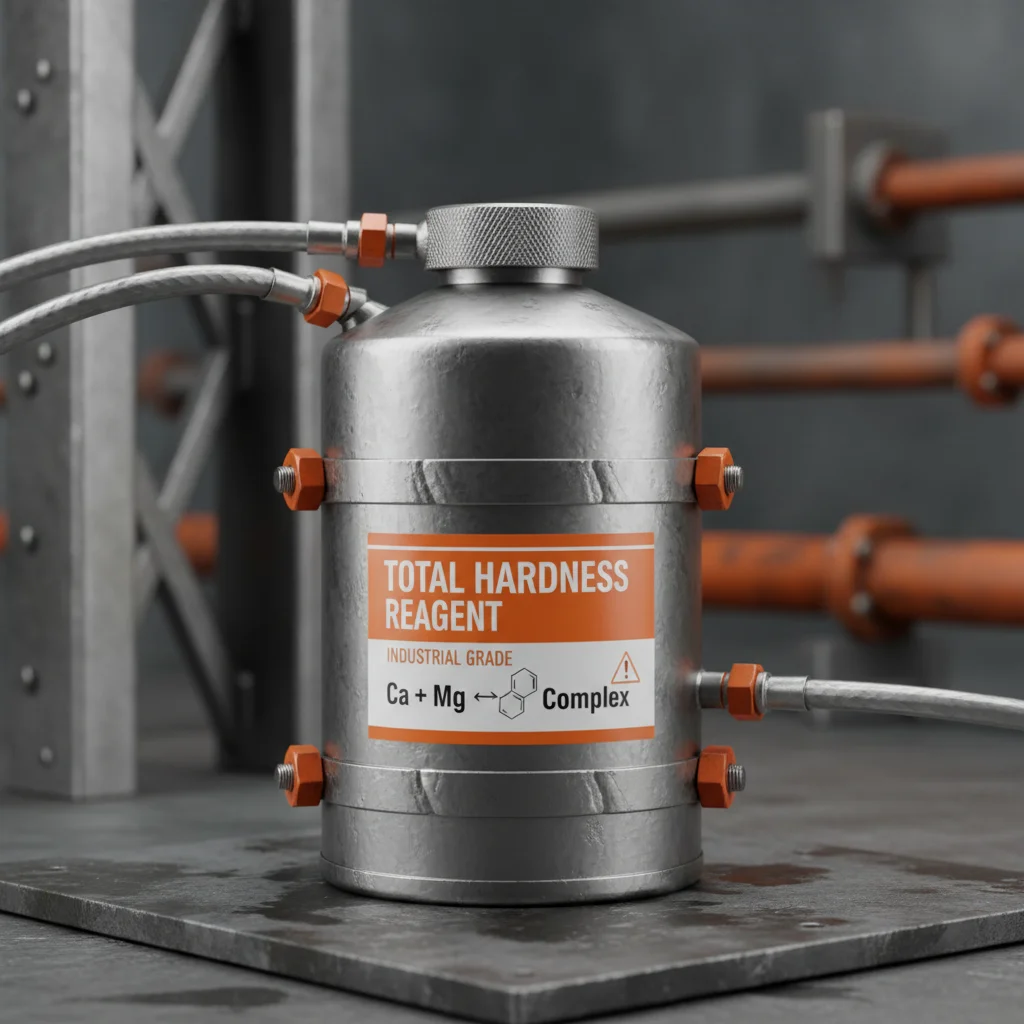
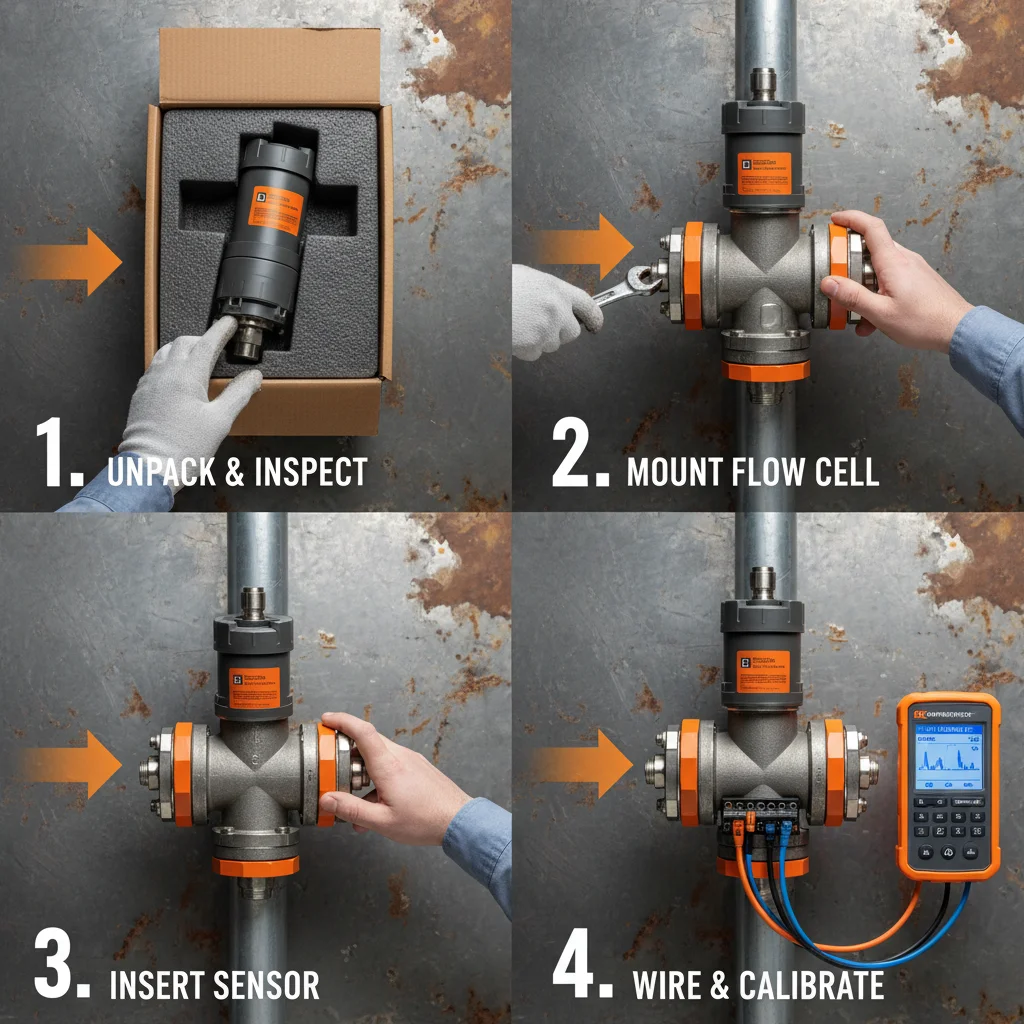
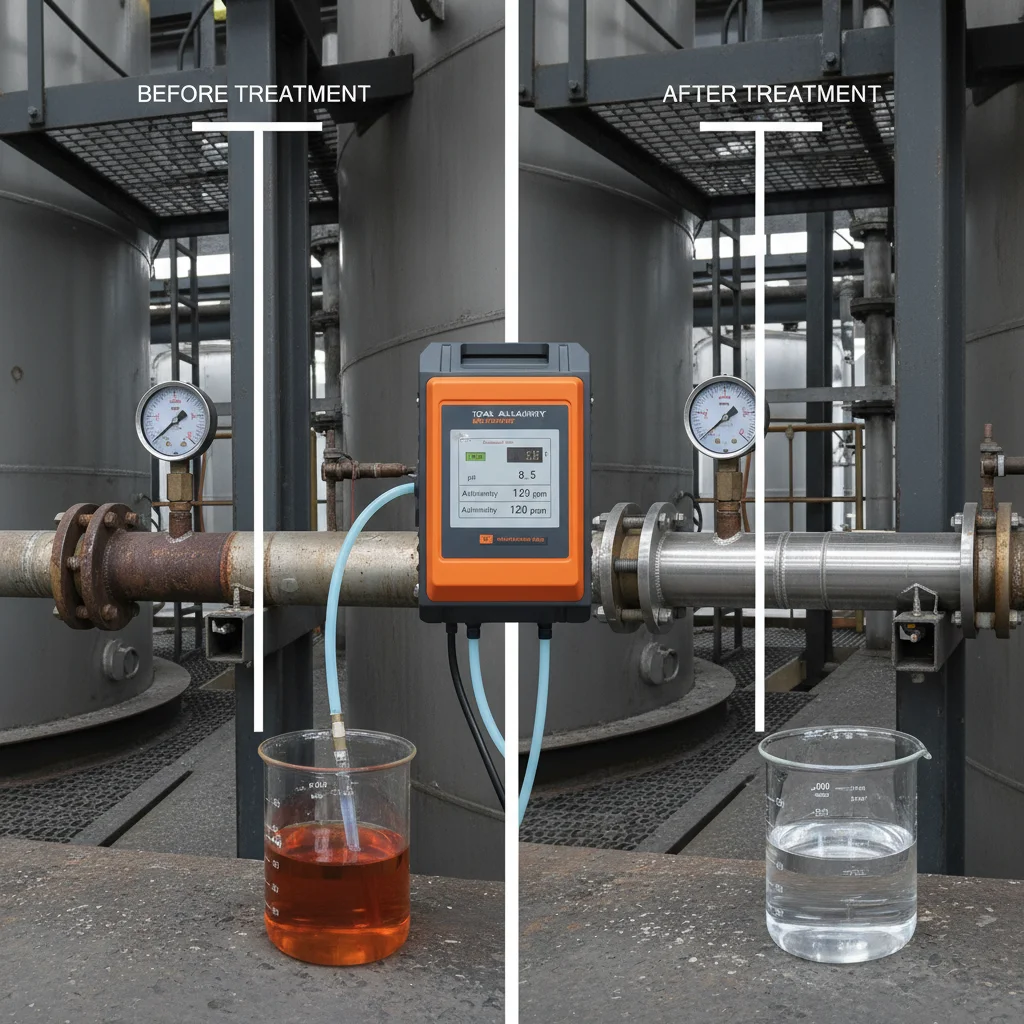
The realm of material science is constantly evolving, and understanding a material’s resistance to localized plastic deformation – its hardness – is paramount across countless industries. Traditional hardness testing methods, while accurate, are often time-consuming and require specialized laboratory setups. This is where the concept of an online hardness analyzer gains critical importance. It represents a paradigm shift, enabling real-time, non-destructive assessment of material hardness directly within the production process or in the field.
The global demand for quality control and assurance is driving the adoption of advanced testing technologies like online hardness analysis. Industries ranging from automotive and aerospace to construction and manufacturing are increasingly relying on data-driven insights to optimize processes and ensure product integrity. According to reports from the World Materials Forum, the need for efficient and accurate material characterization is growing at a rate of 7% annually, fueled by stricter regulatory standards and a growing emphasis on sustainability.
An online hardness analyzer offers immediate advantages in terms of productivity, cost reduction, and enhanced safety. It facilitates proactive problem-solving by identifying potential material defects early in the production cycle, minimizing waste and rework. This technology isn’t simply about testing; it's about building resilience and confidence in the materials that shape our world.
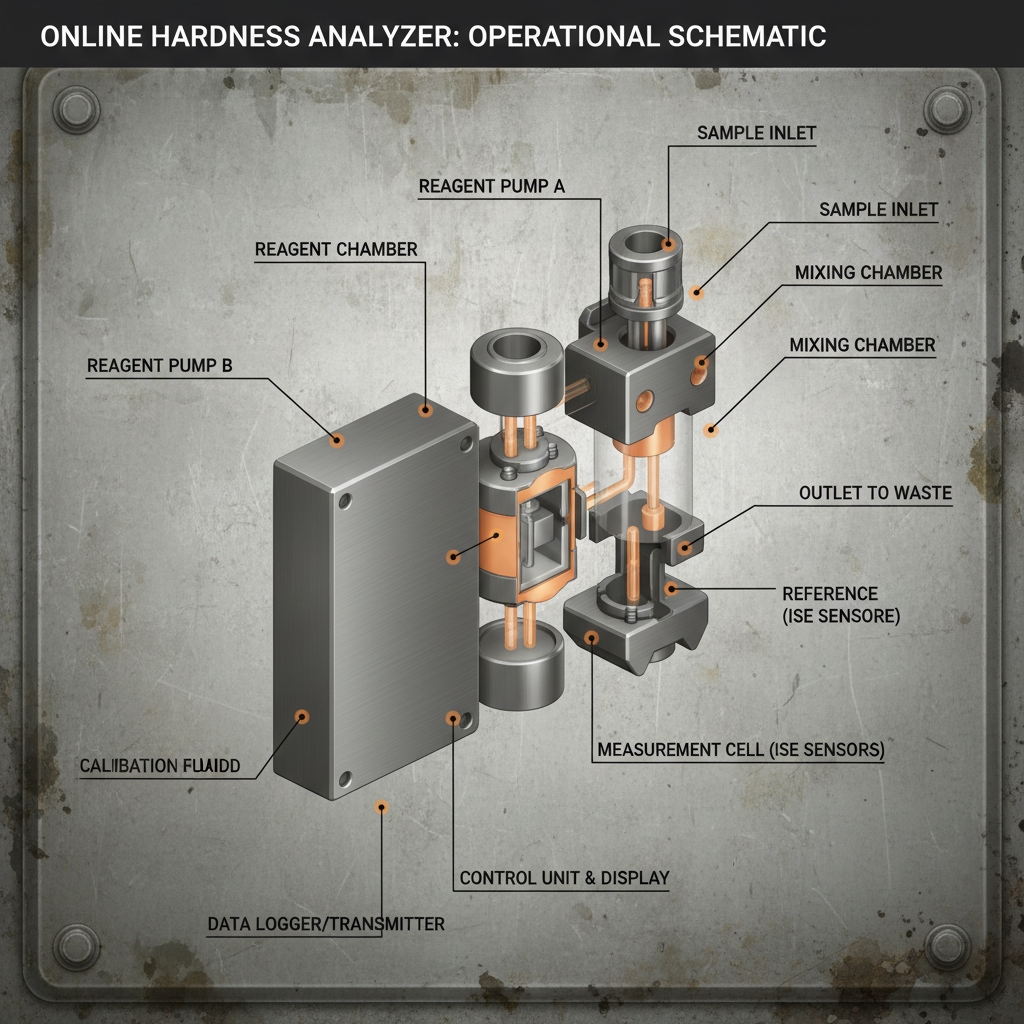
Introduction to Online Hardness Analysis
The implementation of an online hardness analyzer marks a substantial advancement in quality control methodologies. It moves beyond the limitations of traditional, off-line testing procedures, which often involved destructive sampling and lengthy turnaround times. This innovative approach allows for continuous monitoring of material properties during manufacturing, leading to immediate adjustments and significant improvements in process efficiency.
Furthermore, the availability of real-time data provided by these systems empowers engineers and technicians to proactively identify and address potential issues before they escalate into costly defects. This capability is particularly valuable in industries where precision and consistency are critical, such as aerospace, automotive, and medical device manufacturing.
Defining Online Hardness Analysis
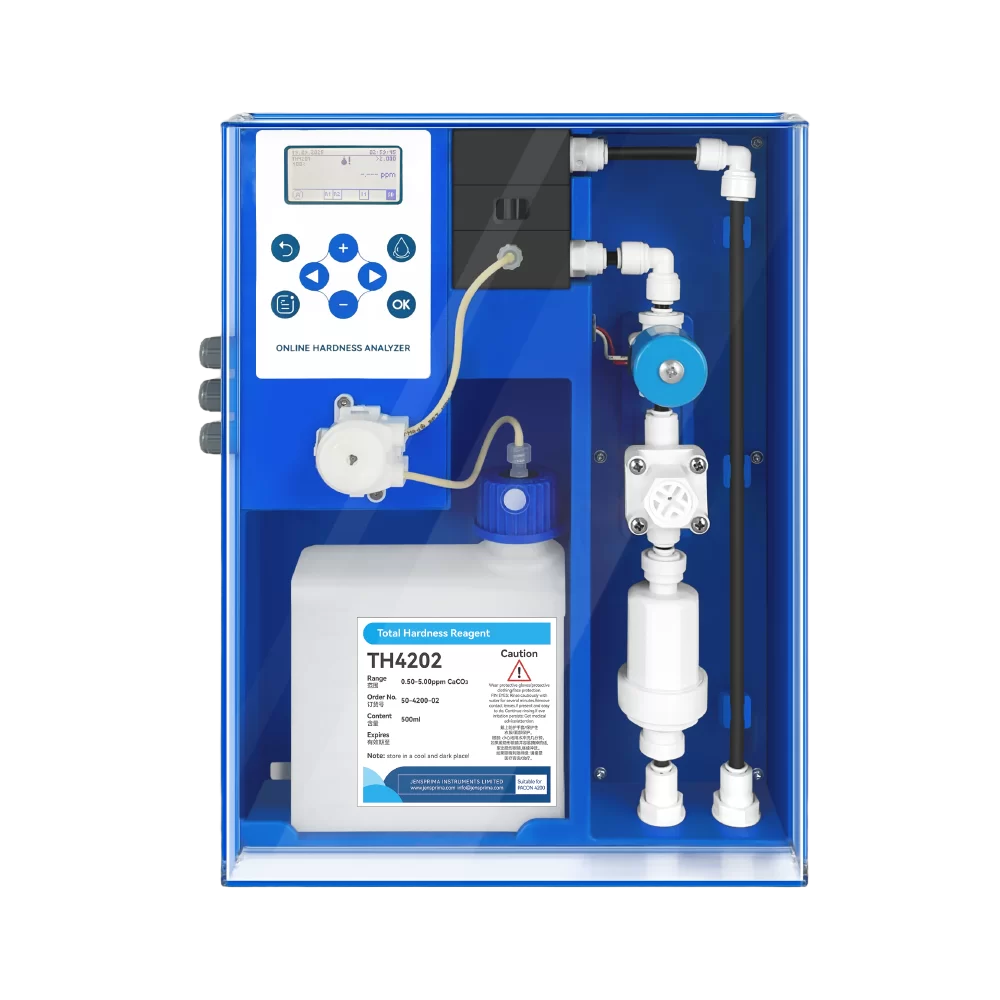
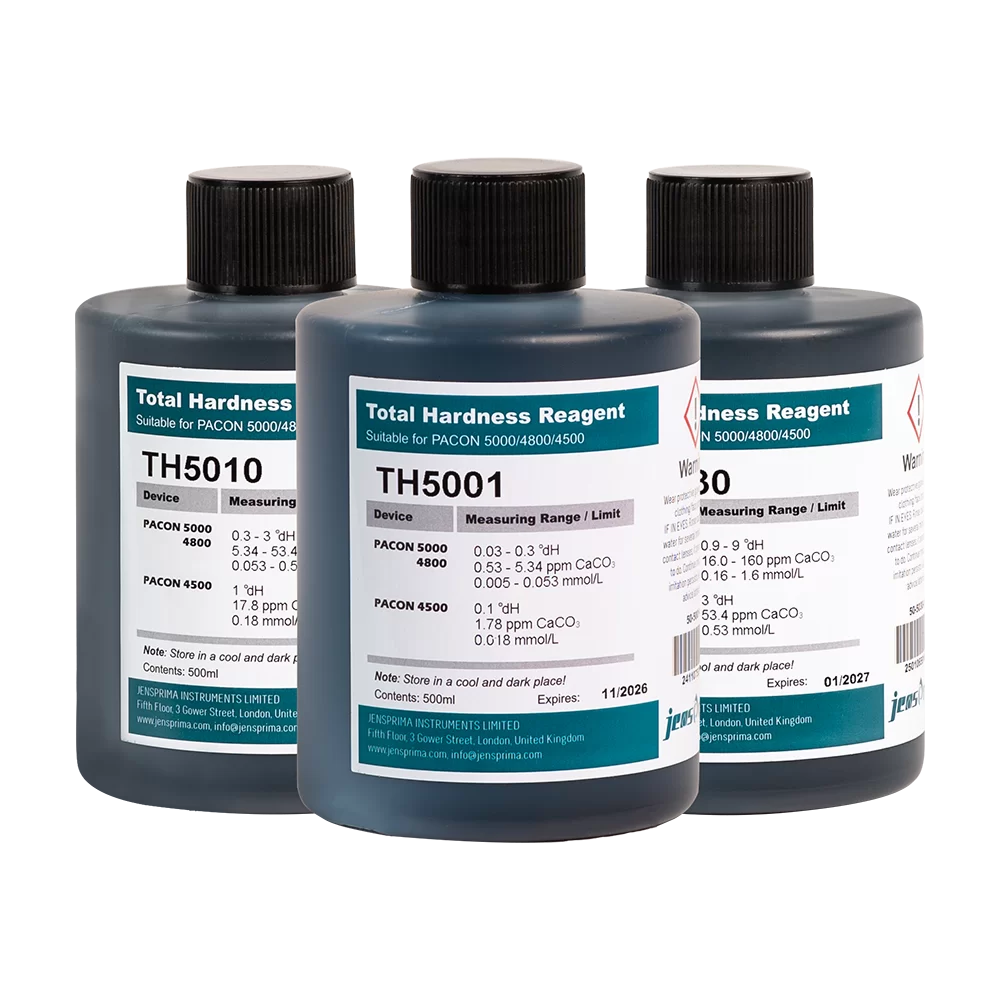
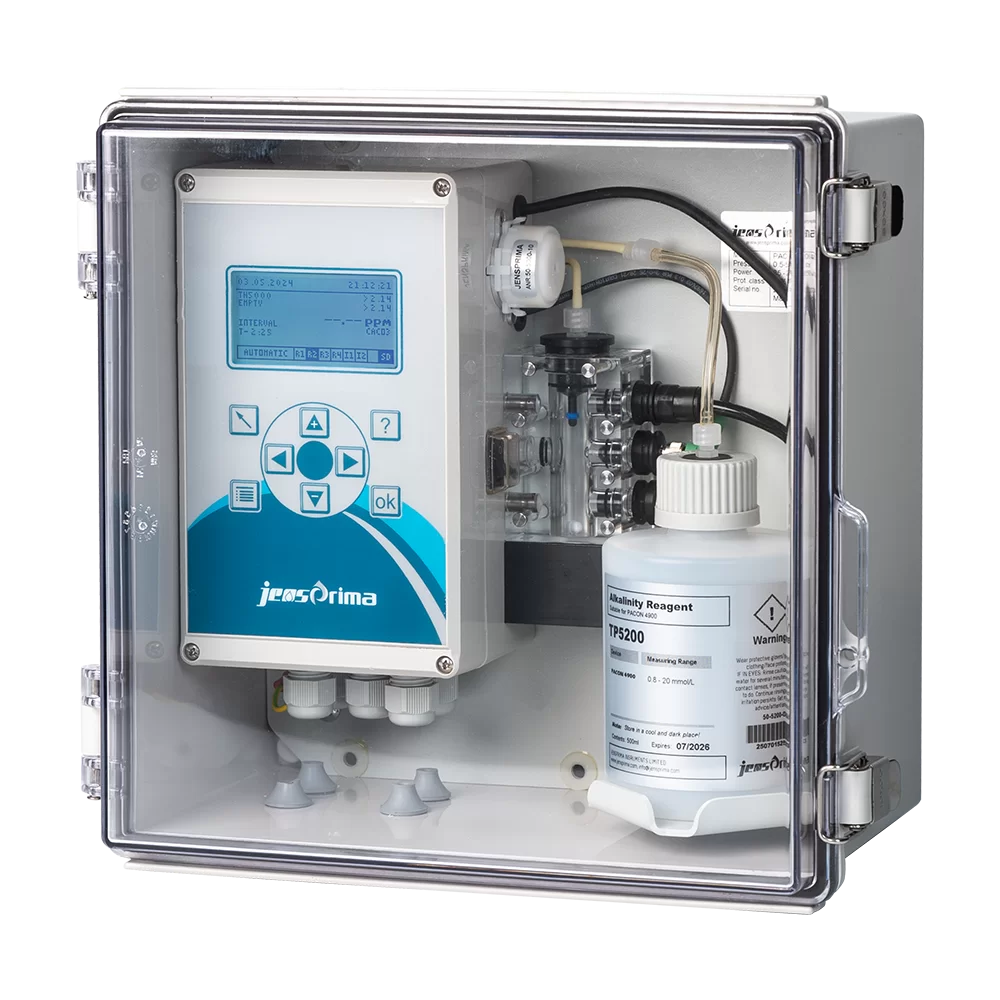
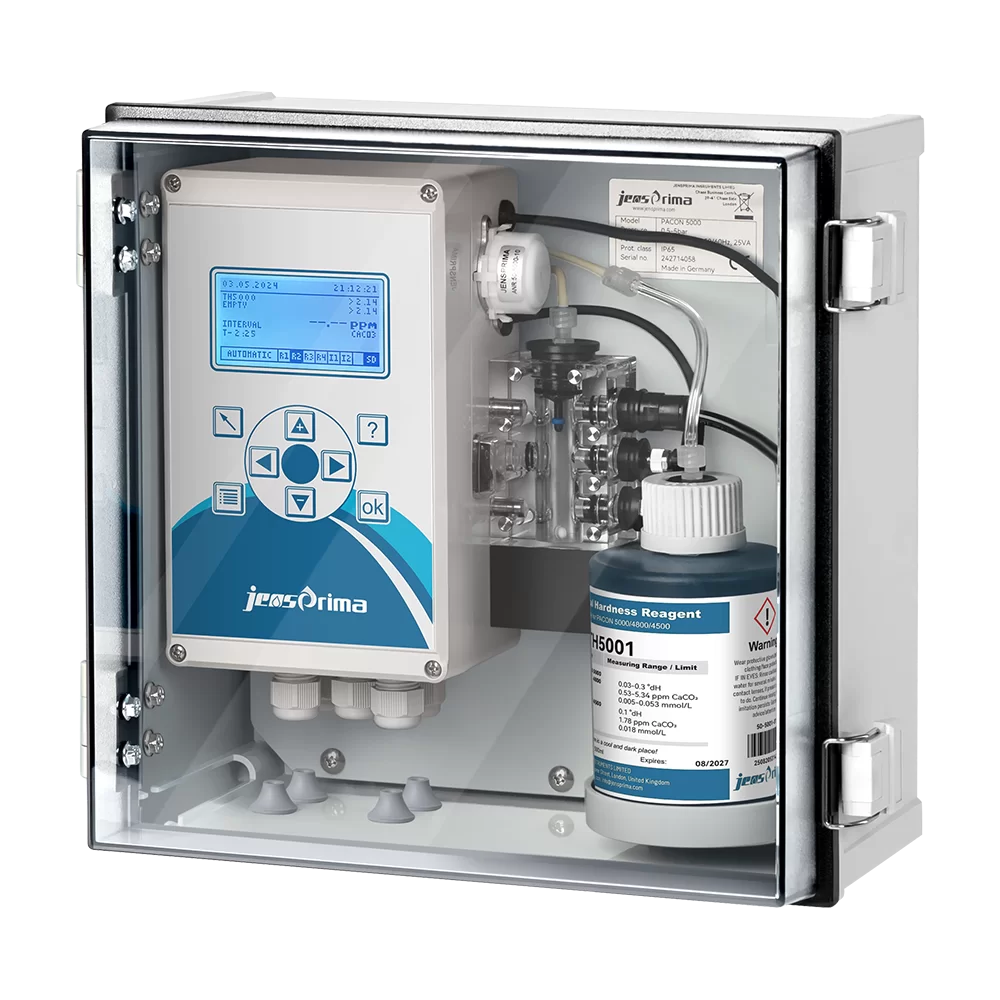
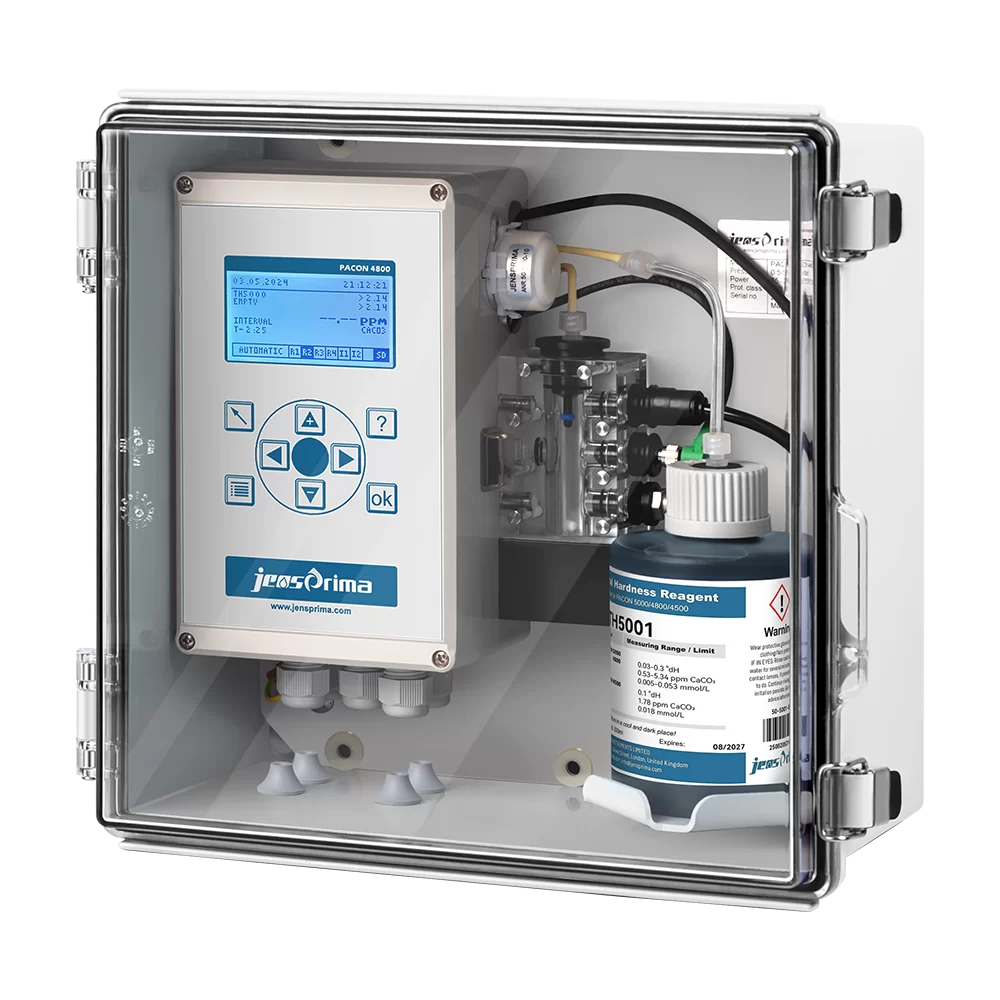
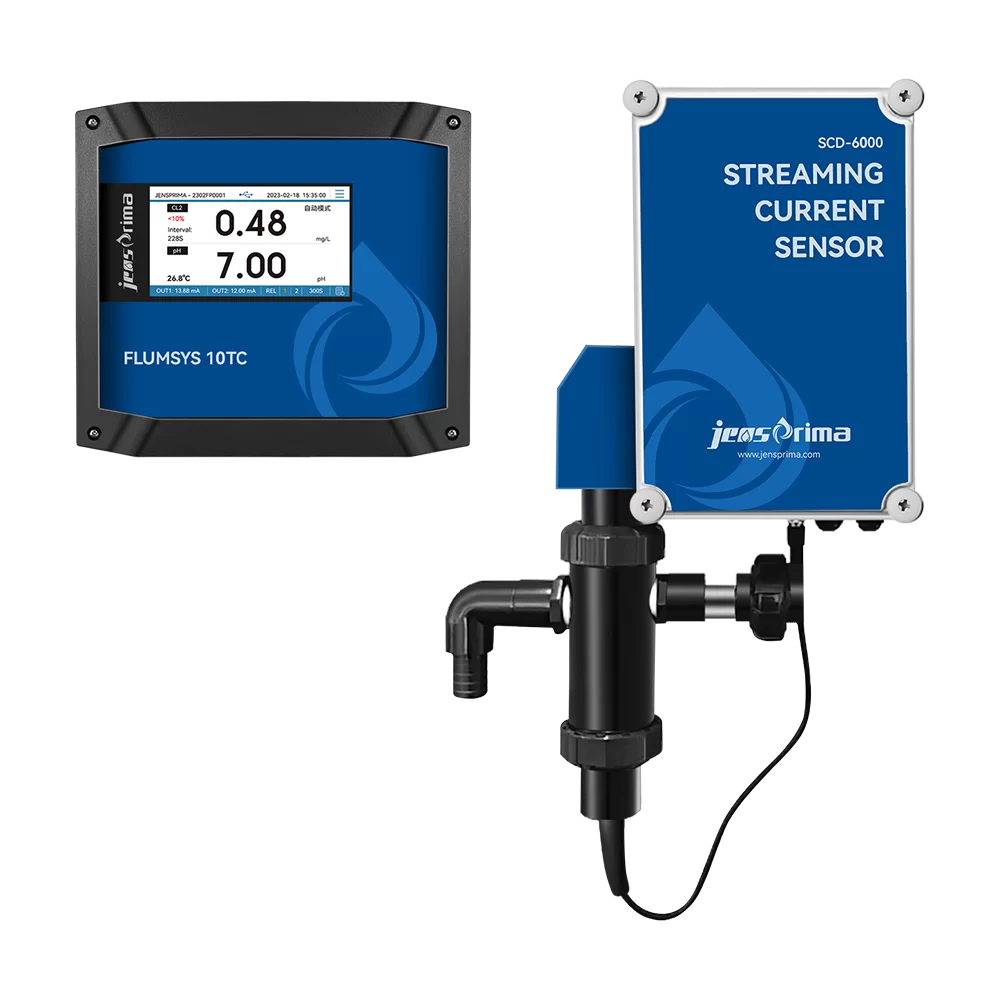
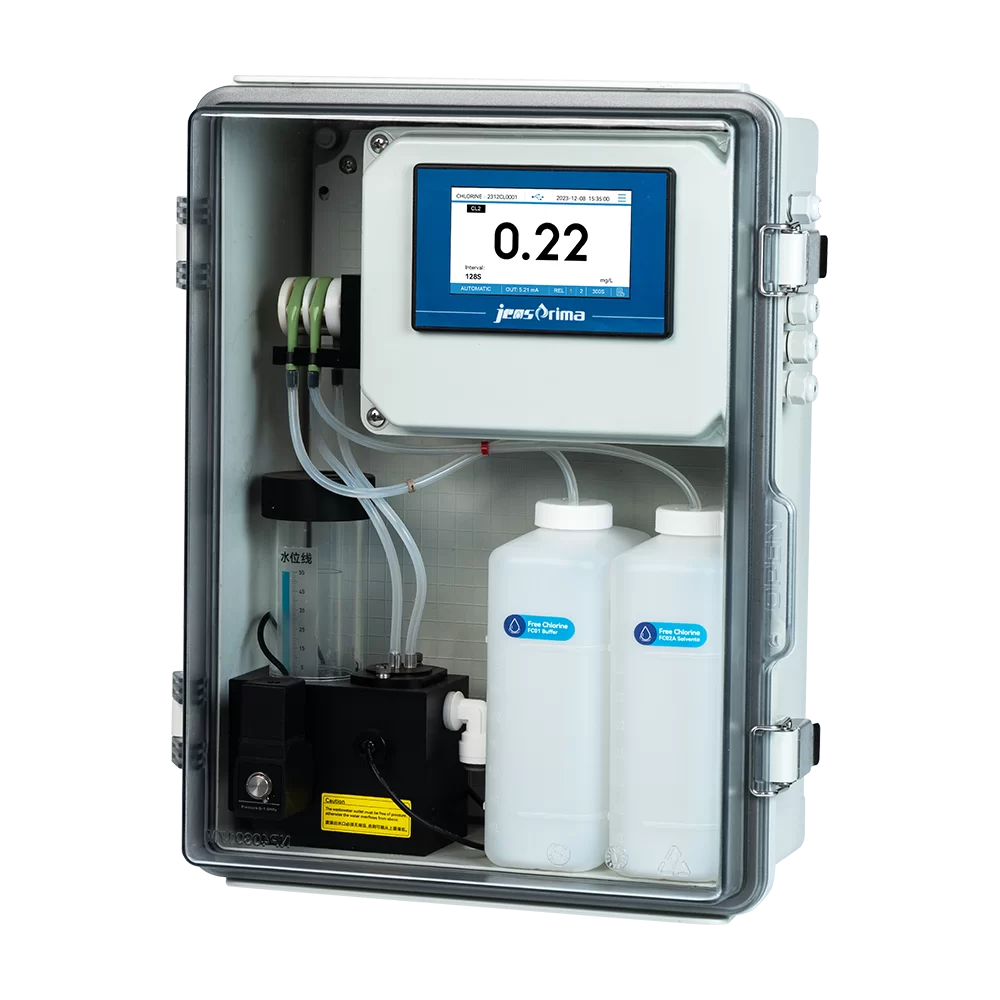
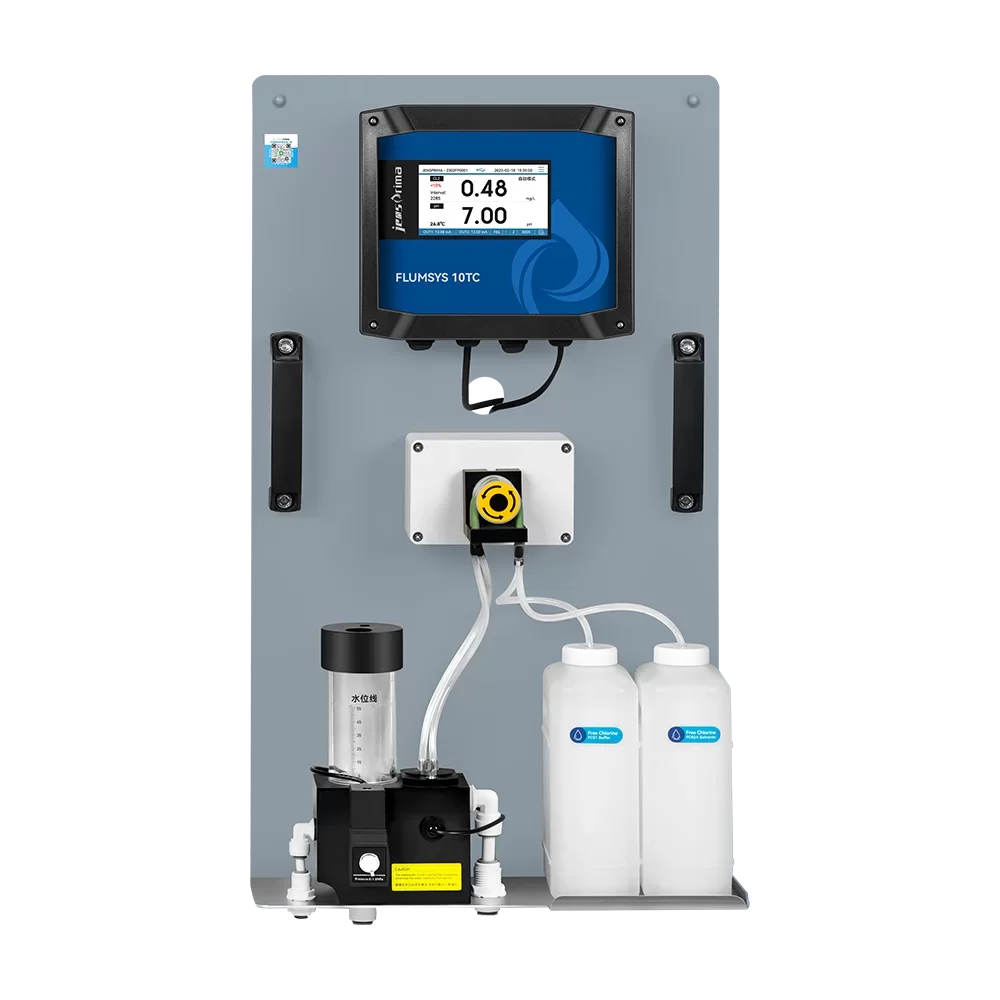
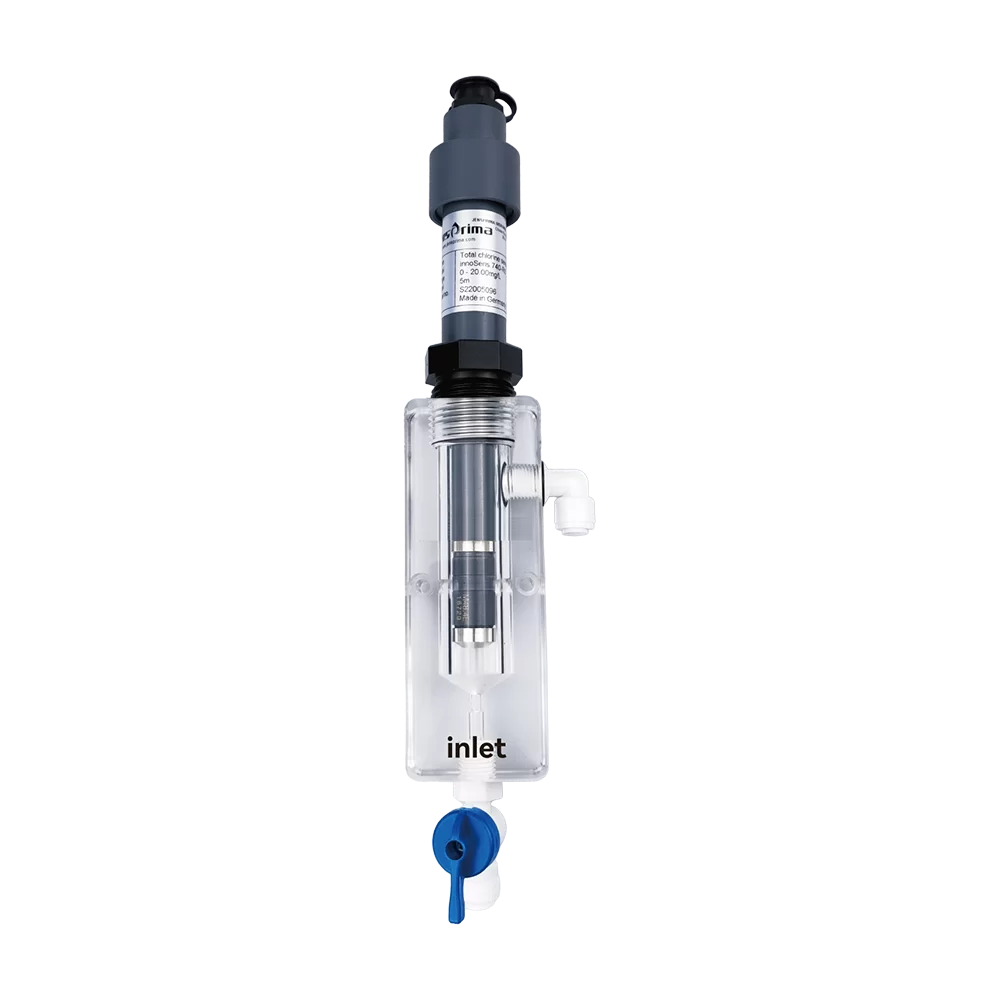
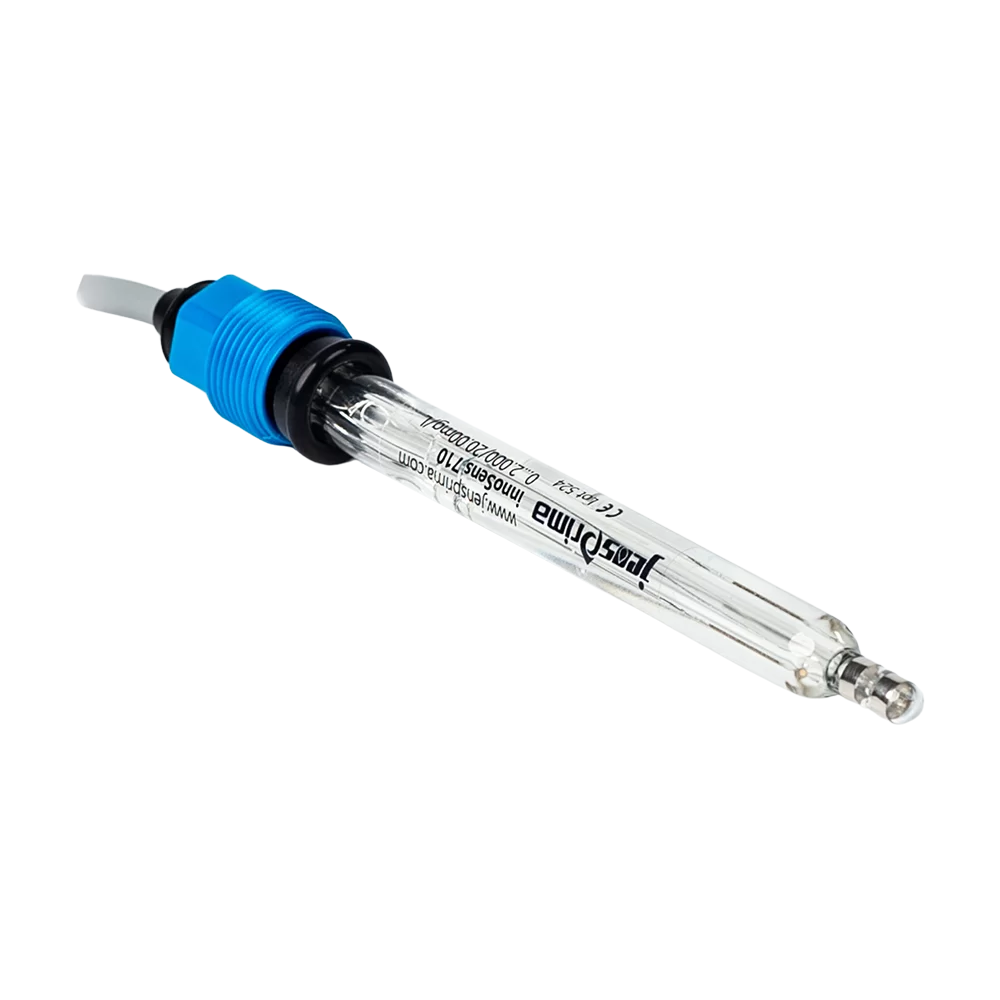
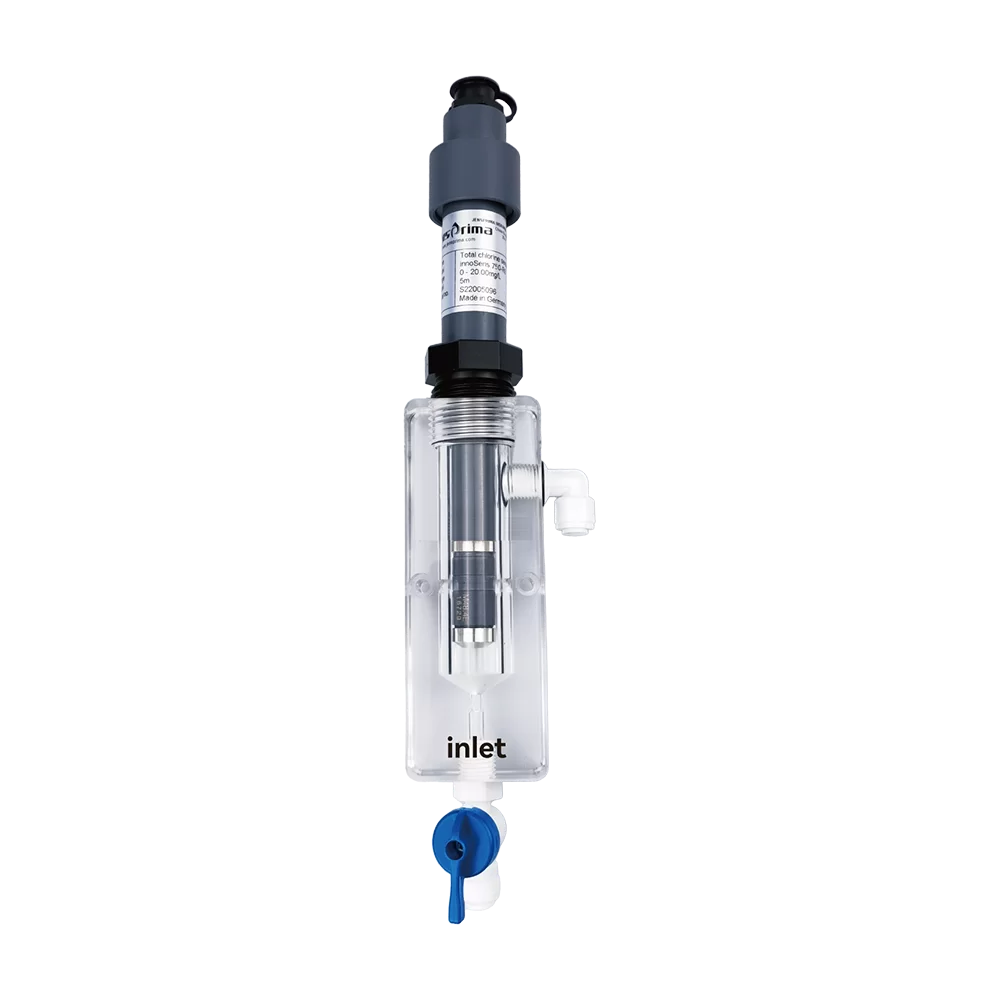
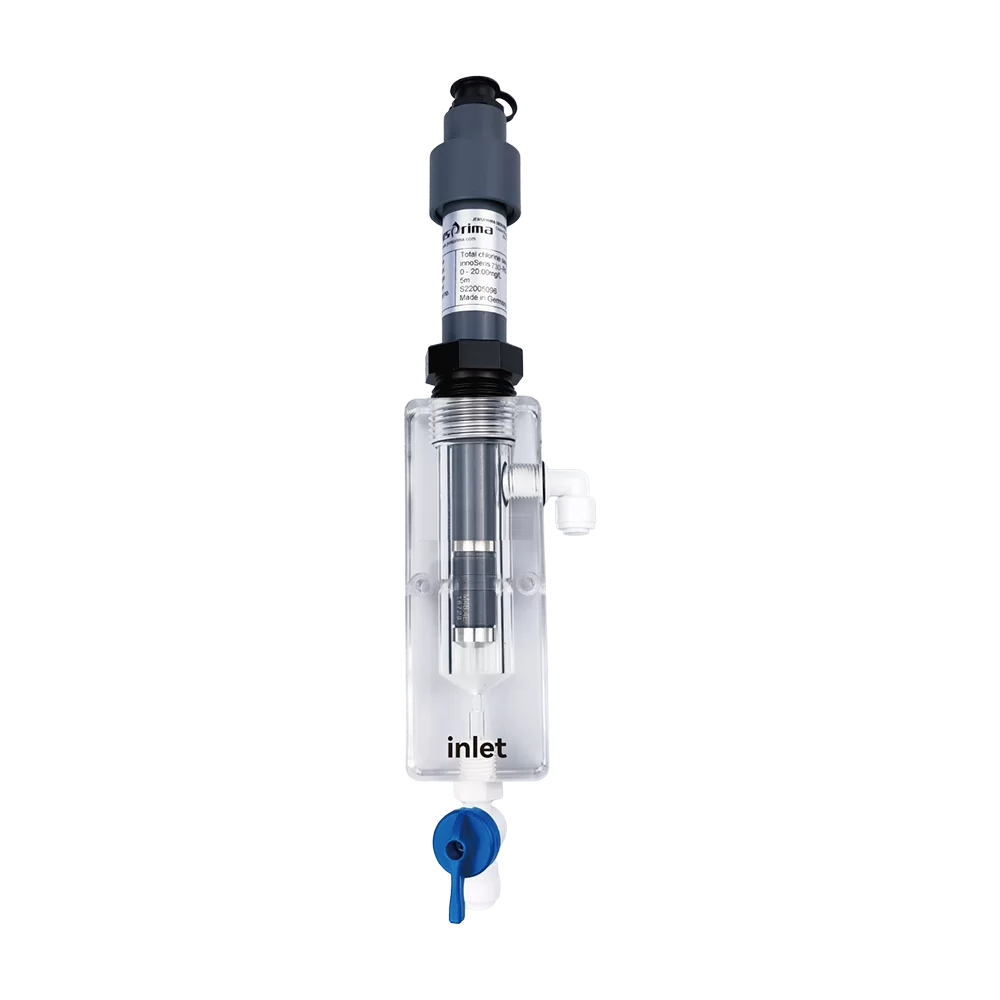
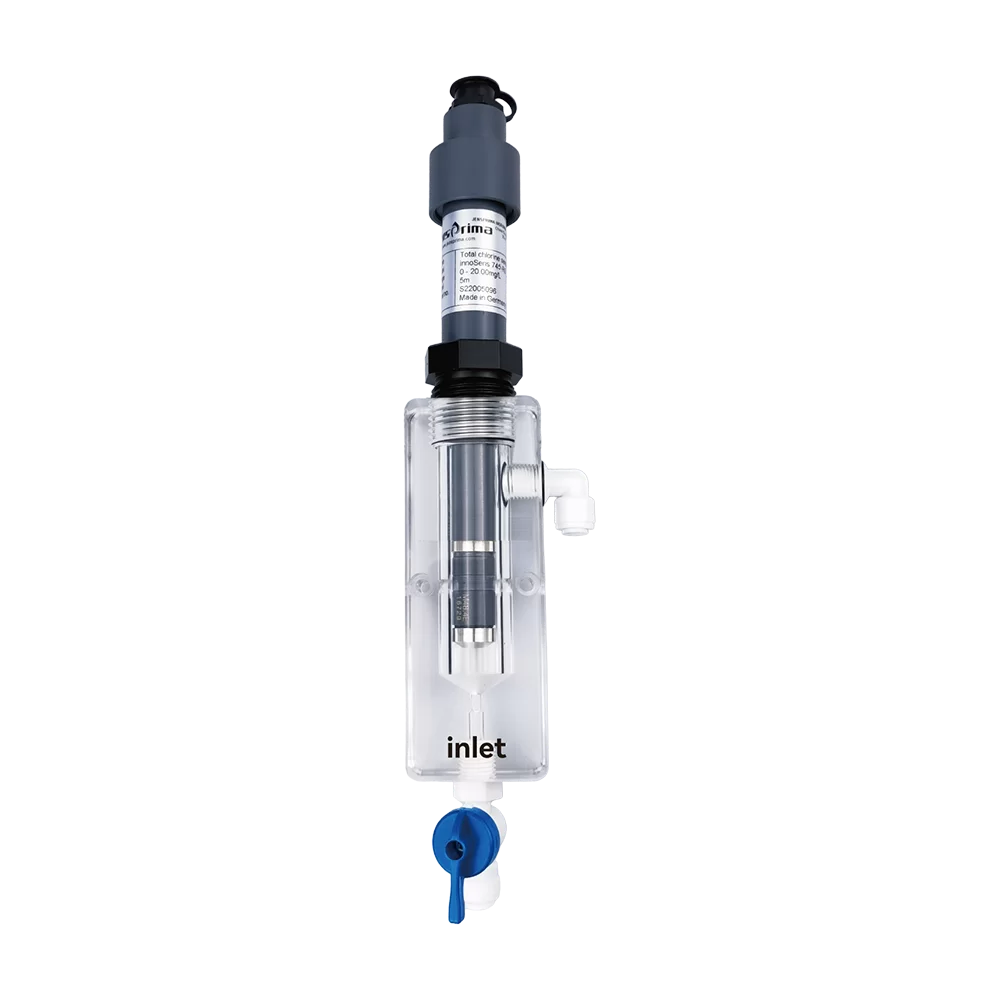
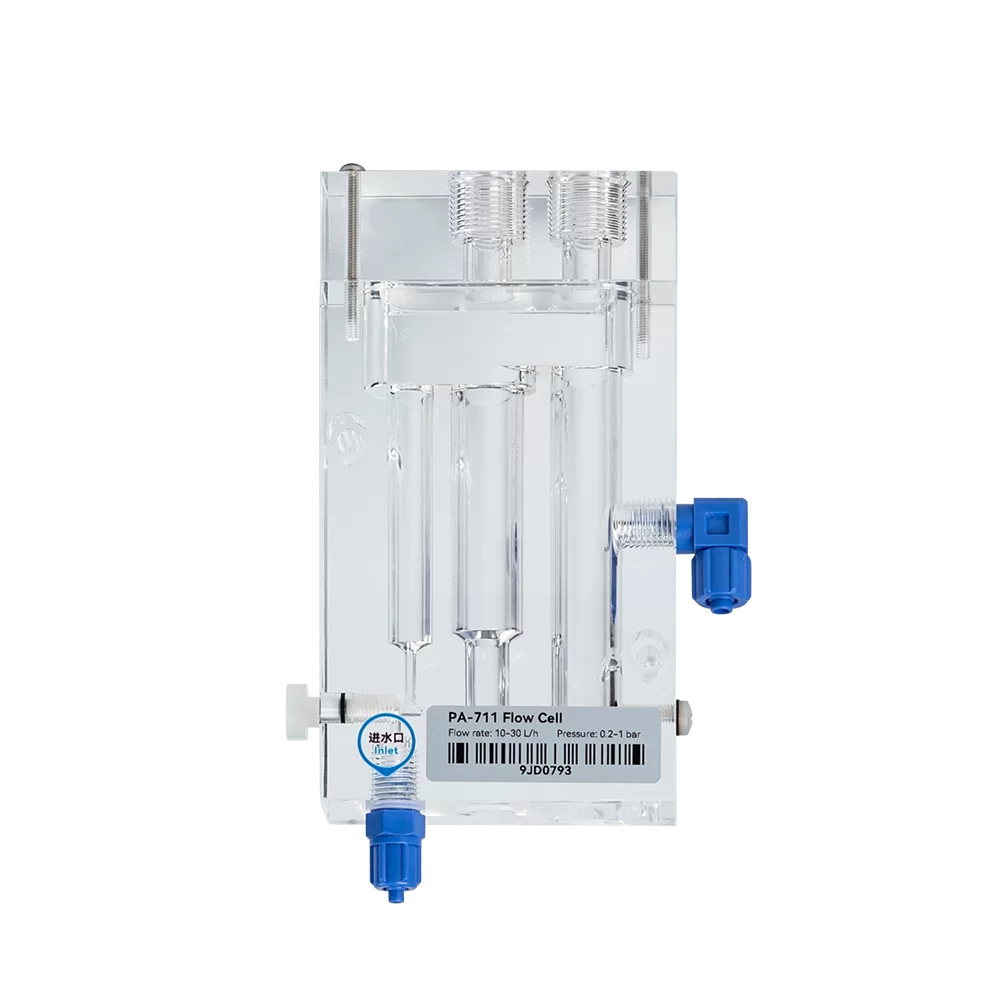
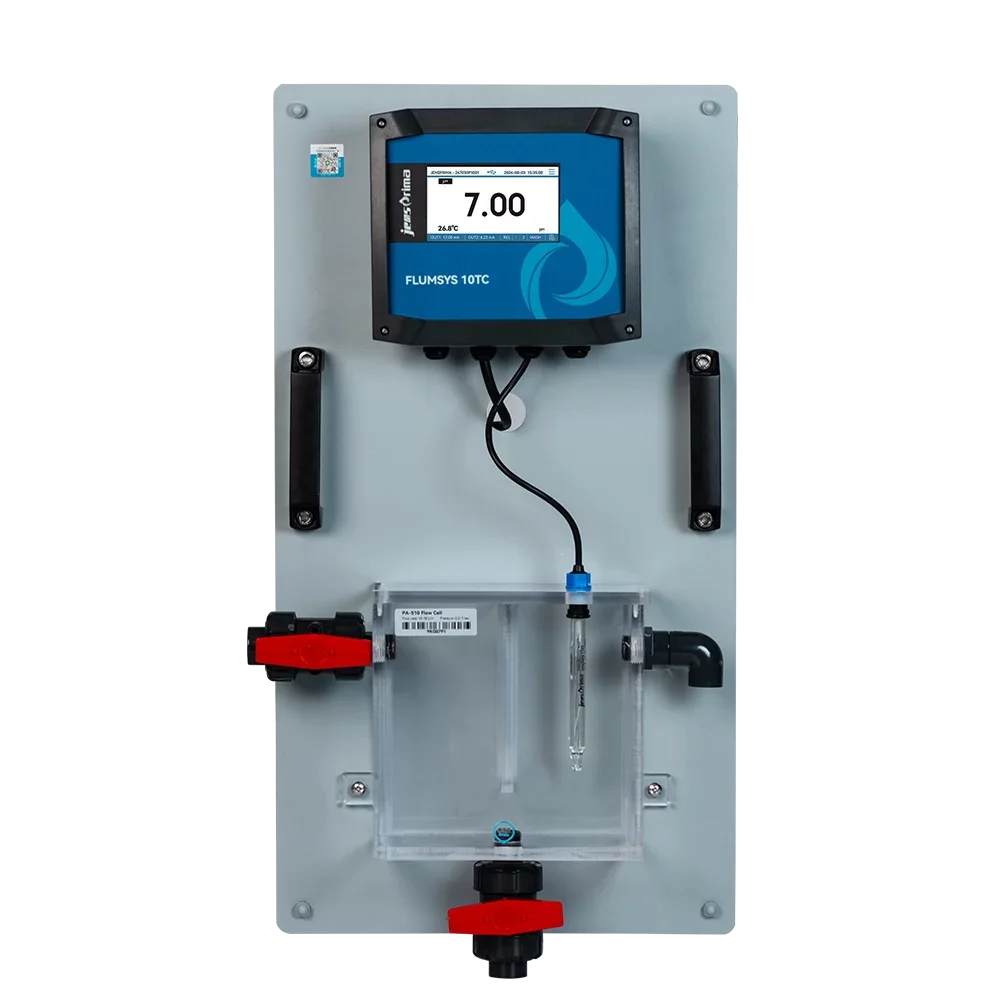
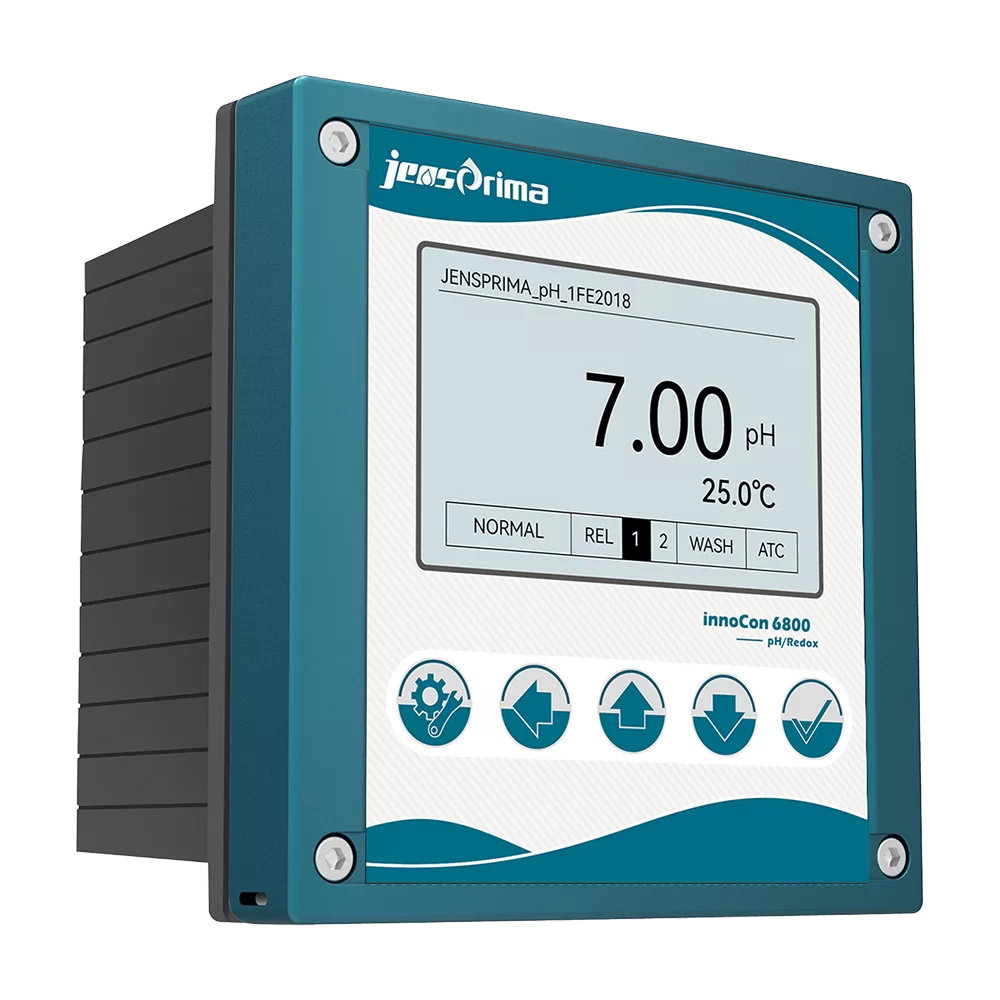
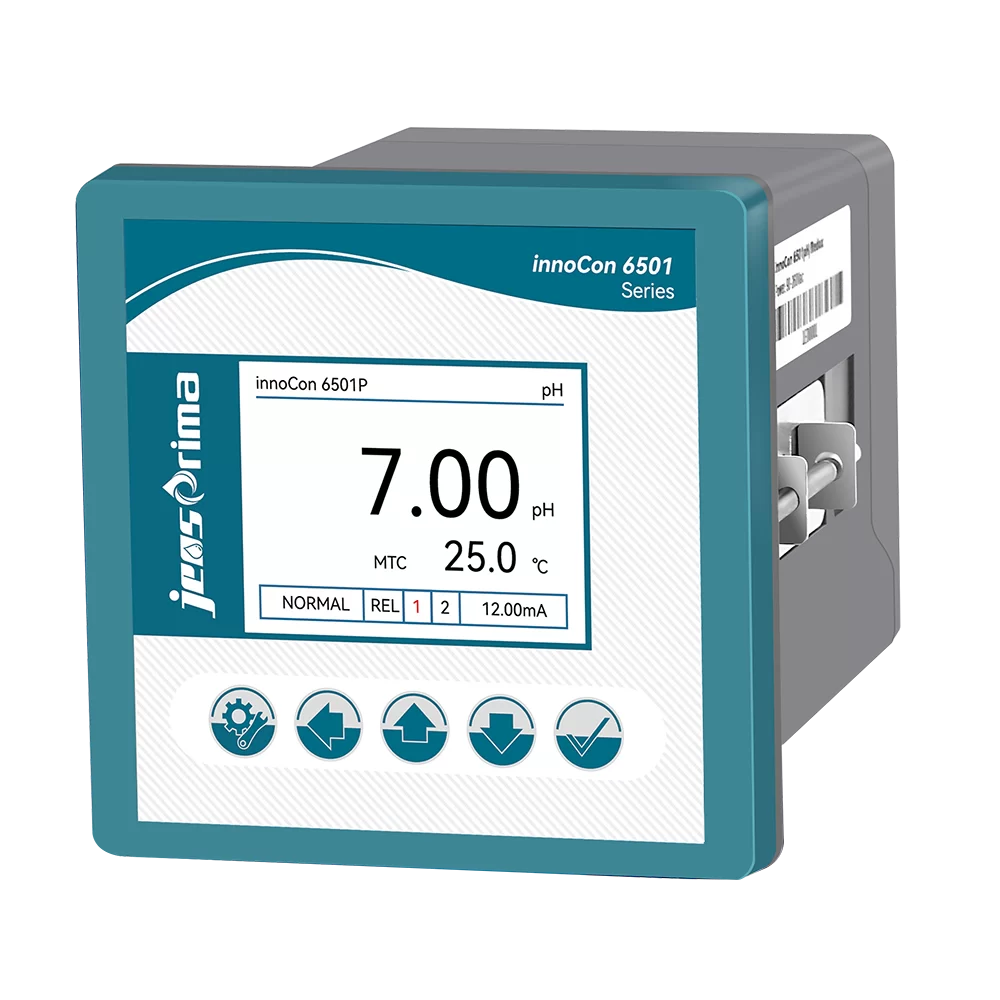
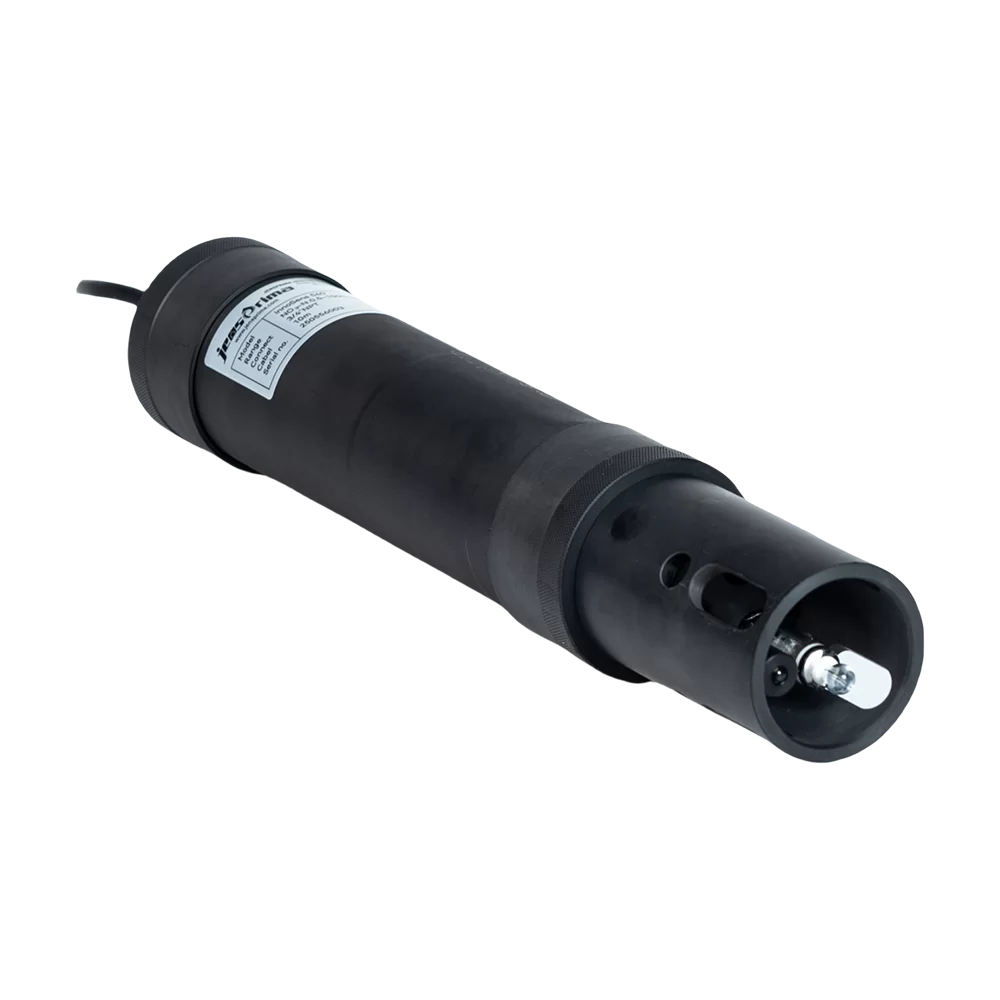
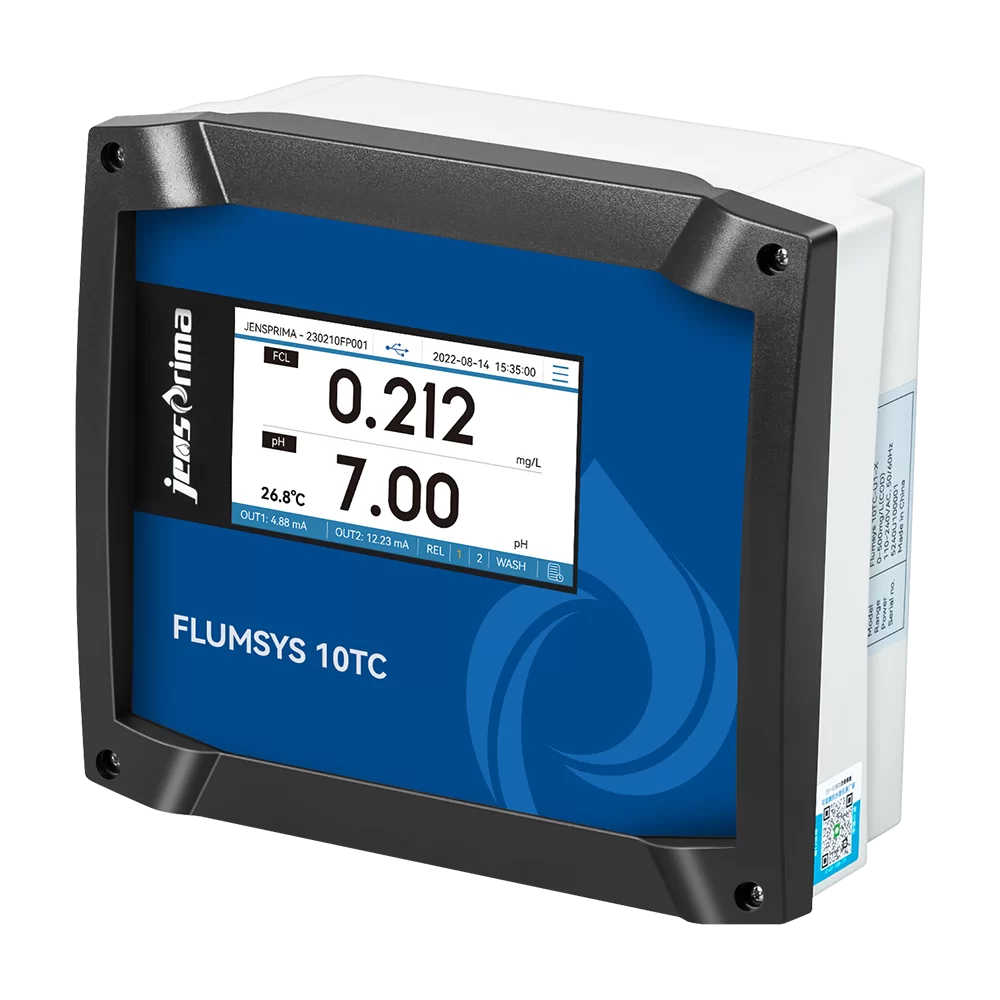
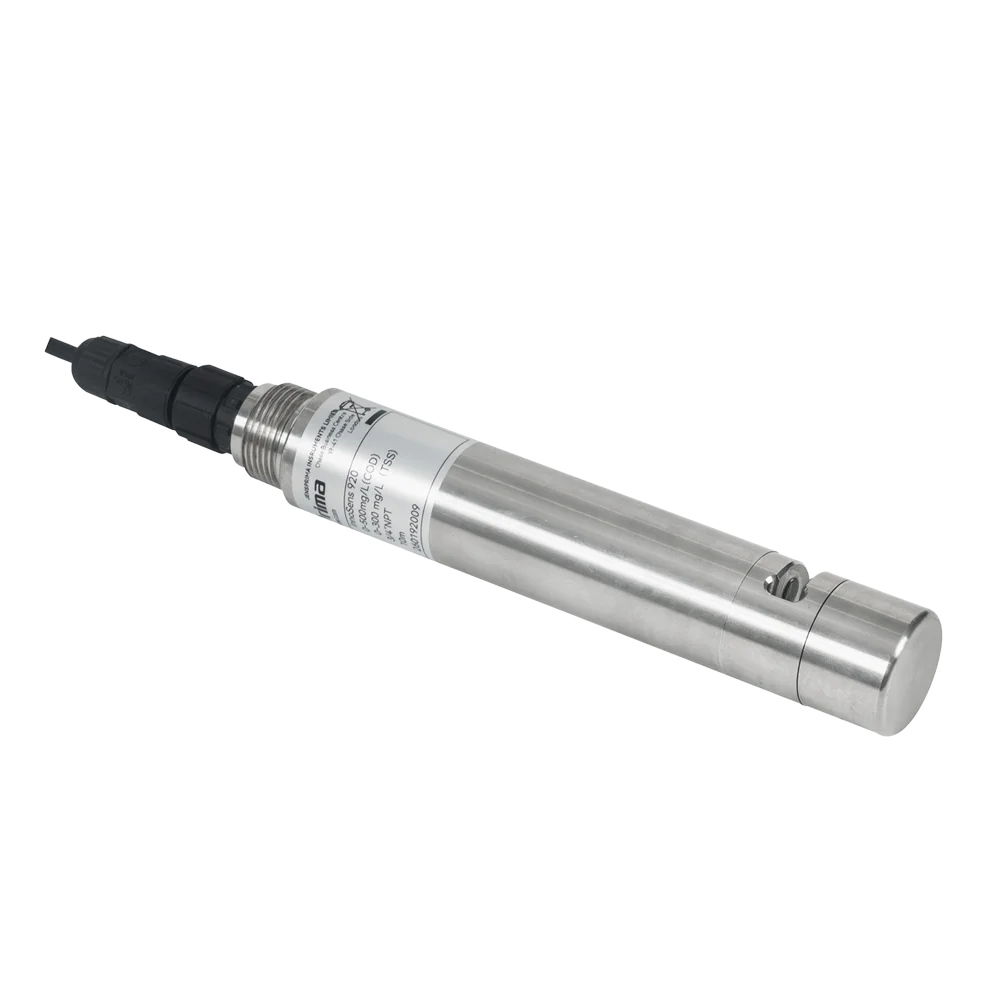
An online hardness analyzer is a sophisticated system designed for the continuous, non-destructive assessment of a material’s resistance to indentation. Unlike traditional hardness tests, which typically require removing a sample from the production line, online analyzers integrate directly into the manufacturing process, providing real-time data without disrupting workflow. The core principle involves measuring the depth or size of an indentation created by a controlled force applied to the material's surface.
This capability is integral to modern industrial practices, enabling manufacturers to maintain stringent quality control standards and optimize production parameters. The data generated by these systems is not only valuable for assessing current material performance but also for identifying trends and predicting potential failures, which is crucial for preventative maintenance and long-term reliability.
The connection to modern industry and humanitarian needs extends to applications beyond manufacturing. In sectors like infrastructure development and resource exploration, online hardness analyzers can be used to assess the integrity of materials in situ, aiding in the safe and efficient construction of critical infrastructure and the responsible management of natural resources.
Core Components and Factors
Several key factors contribute to the effectiveness and reliability of an online hardness analyzer. Durability is paramount, ensuring the system can withstand the rigors of continuous industrial operation. Scalability allows for integration into various production lines and adjustments for different material types and sizes. Accuracy and Precision are crucial for reliable data collection and decision-making, minimizing false positives and ensuring consistent results.
Cost Efficiency extends beyond the initial investment to include reduced waste, improved process control, and minimized downtime. Data Integration is vital, allowing seamless communication with existing quality control systems and data analytics platforms. User-Friendliness is essential for ease of operation and minimizing the need for specialized training.
These components work in harmony to provide a comprehensive and robust solution for monitoring material hardness. For example, a highly durable system coupled with accurate sensors and seamless data integration can significantly reduce the risk of undetected defects, leading to improved product quality and customer satisfaction.
Global Applications & Industry Use Cases
The application of online hardness analyzers spans a broad spectrum of industries and geographic locations. In the automotive sector, they are used to monitor the hardness of steel components, ensuring structural integrity and safety. Aerospace manufacturers employ these systems to verify the quality of titanium alloys used in aircraft construction. The construction industry benefits from online hardness analysis during the production of reinforcing steel (rebar), guaranteeing compliance with safety standards.
Regions with rapidly developing manufacturing bases, such as China, India, and Southeast Asia, are witnessing increasing adoption of this technology. In post-disaster relief operations, portable online hardness analyzers can be deployed to quickly assess the structural integrity of damaged buildings and infrastructure. In remote industrial zones, where access to traditional testing laboratories is limited, these systems provide a vital means of maintaining quality control.
Furthermore, the mining and energy sectors utilize online hardness analysis to evaluate the wear resistance of drilling tools and pipeline materials, optimizing performance and reducing maintenance costs. Organizations like ISO and ASTM are actively developing standards for online hardness testing, further solidifying its credibility and widespread acceptance.
Comparison of Online Hardness Analyzer Methods
Advantages and Long-Term Value
The tangible benefits of implementing an online hardness analyzer are significant. Cost savings are realized through reduced material waste, minimized rework, and optimized production processes. Sustainability is enhanced by enabling the use of more durable materials and extending product lifecycles. Social impact is improved by ensuring product safety and reliability, protecting consumers and fostering trust.
From a logical perspective, online hardness analysis provides data-driven insights that empower informed decision-making, leading to continuous improvement and enhanced operational efficiency. Emotionally, it fosters a sense of confidence and reassurance, knowing that materials meet stringent quality standards. This combination of logical and emotional benefits creates a strong value proposition for businesses across all sectors.
Future Trends and Innovations
The future of online hardness analyzers is poised for significant advancements, driven by ongoing research and development in materials science and sensor technology. Integration with artificial intelligence (AI) and machine learning (ML) algorithms will enable predictive maintenance, allowing for proactive adjustments to prevent equipment failures and optimize material performance. The development of miniaturized sensors will facilitate the implementation of online hardness analysis in increasingly complex and confined spaces.
Furthermore, advancements in green energy technologies are driving the demand for materials with enhanced durability and wear resistance, creating new opportunities for online hardness analysis. Digital transformation and automation are accelerating the adoption of these systems, enabling seamless integration with smart manufacturing platforms. Sustainability initiatives will continue to emphasize the importance of material efficiency and lifecycle analysis, further solidifying the role of online hardness analysis in a circular economy.
Challenges and Potential Solutions
Despite the numerous benefits, several challenges remain in the widespread adoption of online hardness analyzers. Initial investment costs can be a barrier for some smaller businesses. Ensuring accurate calibration and consistent performance across diverse material types and operating conditions requires specialized expertise. Data security and privacy concerns need to be addressed to protect sensitive manufacturing data.
Potential solutions include the development of more affordable and accessible systems, the implementation of standardized calibration procedures, and the adoption of robust data encryption and access control measures. Collaborative research and development efforts between industry, academia, and government agencies can accelerate innovation and overcome these challenges.
Furthermore, the development of cloud-based platforms for data analysis and sharing can facilitate collaboration and knowledge exchange, fostering a more efficient and effective ecosystem for online hardness analysis.
Summary of Online Hardness Analyzer Challenges and Solutions
| Challenge |
Impact on Implementation |
Potential Solution |
Expected Outcome |
| High Initial Cost |
Limits accessibility for SMEs |
Develop more affordable models and leasing options |
Increased adoption across a wider range of businesses |
| Calibration Complexity |
Inaccurate readings and unreliable data |
Standardized calibration protocols and automated calibration routines |
Improved data accuracy and consistency |
| Data Security Concerns |
Risk of intellectual property theft and data breaches |
Robust data encryption and access control measures |
Enhanced data protection and trust |
| Integration Challenges |
Difficulty integrating with existing systems |
Open communication protocols and standardized APIs |
Seamless integration and data flow |
| Lack of Skilled Personnel |
Difficulty operating and maintaining the system |
Comprehensive training programs and remote support |
Improved system utilization and reduced downtime |
| Material Variability |
Inconsistent readings across different material compositions |
Adaptive algorithms and material-specific calibration |
Accurate measurements across a wide range of materials |
FAQS
Online hardness analyzers offer significant advantages over traditional methods, including real-time, non-destructive testing, continuous monitoring, reduced sample handling, and faster results. This leads to improved process control, reduced waste, and enhanced product quality. Traditional methods are often time-consuming, requiring samples to be sent to a lab, while online analyzers provide immediate feedback directly within the production line, allowing for quicker adjustments and problem-solving.
Online hardness analyzers are versatile and can be used to test a wide range of materials, including metals (steel, aluminum, titanium), polymers, ceramics, and composites. The specific analyzer configuration and testing parameters can be adjusted to suit the material being tested, ensuring accurate and reliable results. Different indentation methods, such as Rockwell, Vickers, and Brinell, can be employed depending on the material characteristics.
The frequency of calibration depends on several factors, including the usage intensity, the type of materials being tested, and the specific analyzer model. However, a general recommendation is to calibrate the system at least once per month, or more frequently if the analyzer is subjected to significant environmental changes or heavy use. Regular calibration ensures the accuracy and reliability of the measurements.
Yes, most modern online hardness analyzers are designed to integrate seamlessly with existing quality control systems, such as MES (Manufacturing Execution Systems) and ERP (Enterprise Resource Planning) systems. This integration allows for real-time data sharing, automated reporting, and comprehensive data analysis. Standard communication protocols like OPC UA and Ethernet/IP are commonly supported.
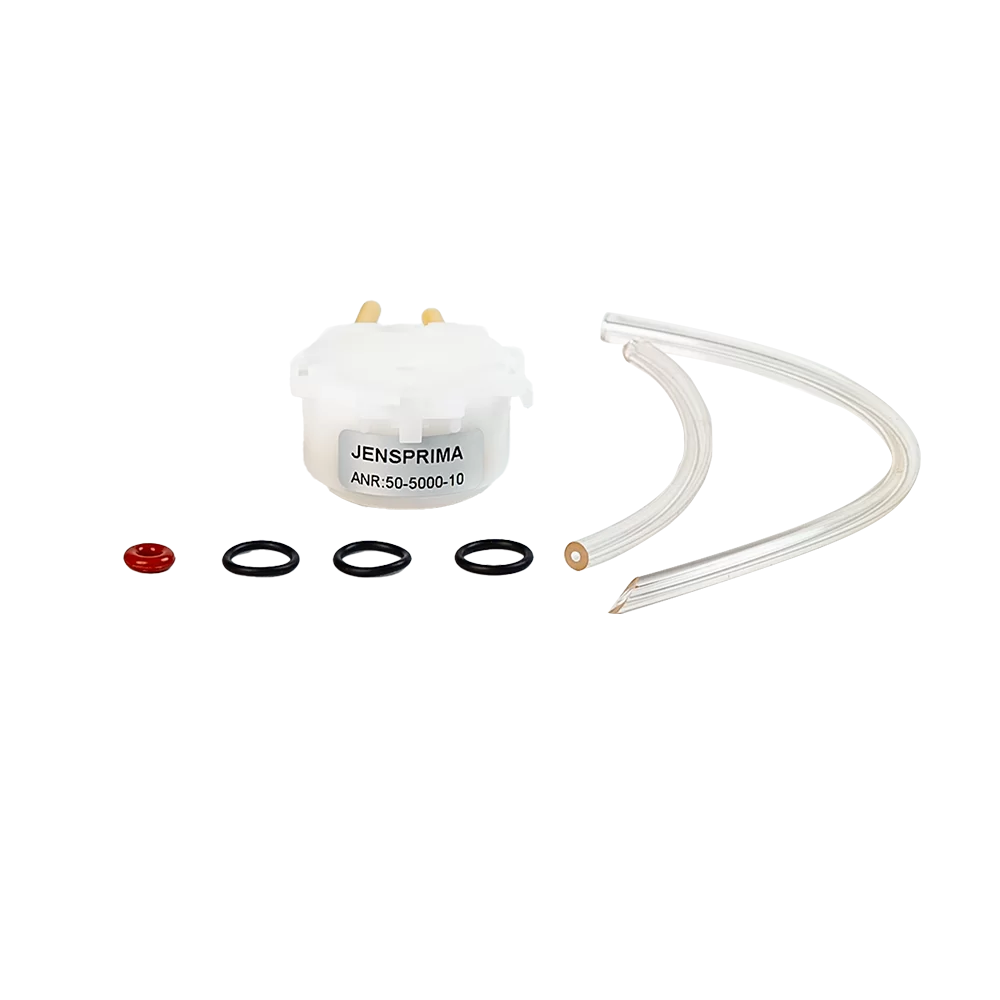
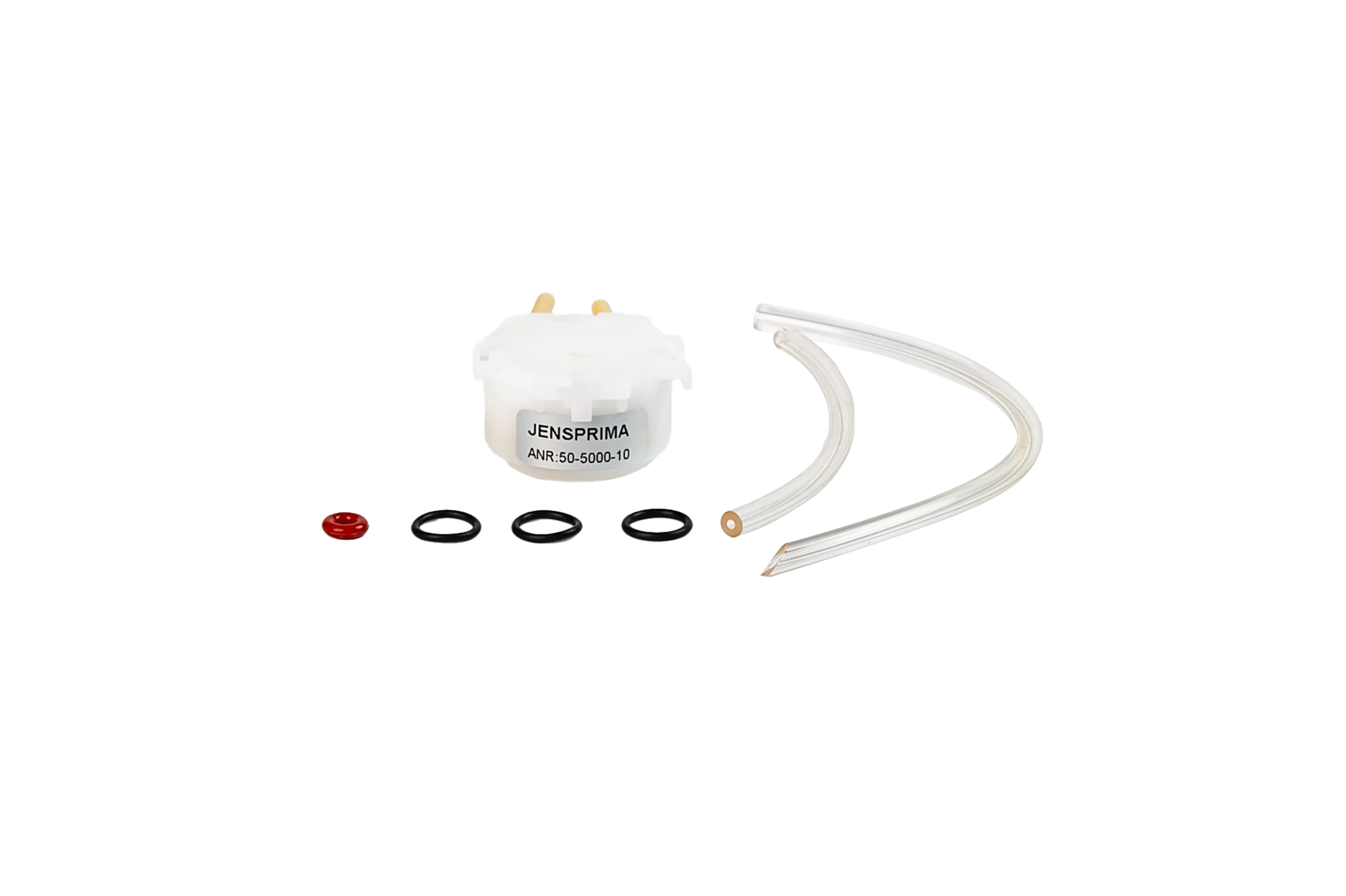
Typical maintenance requirements include regular cleaning of the testing head and surrounding components, inspection of the indentation probe for wear or damage, and periodic lubrication of moving parts. Software updates should also be applied to ensure optimal performance and security. Following the manufacturer's recommendations for preventive maintenance will help extend the lifespan of the system.
Safety precautions include wearing appropriate personal protective equipment (PPE), such as safety glasses and gloves, and ensuring that the analyzer is properly grounded to prevent electrical hazards. It's also important to follow the manufacturer’s instructions for safe operation and to avoid touching moving parts during testing. Proper training is essential for all operators.
Conclusion
In conclusion, online hardness analyzers represent a transformative technology for material characterization, offering unparalleled advantages in terms of efficiency, accuracy, and cost-effectiveness. By enabling real-time monitoring and proactive quality control, these systems empower manufacturers to optimize processes, reduce waste, and enhance product reliability, ultimately contributing to a more sustainable and competitive future. The ability to integrate this technology seamlessly into existing workflows is a key driver of its growing adoption across diverse industries.
Looking ahead, continued innovation in sensor technology, data analytics, and AI integration will further unlock the potential of online hardness analysis. We encourage businesses to explore the benefits of this technology and consider implementing it as a core component of their quality control strategies. Visit our website at www.jensprima.com to learn more about our comprehensive range of online hardness analyzer solutions and how we can help you achieve your material testing goals.








 Download
 Video Center
 Technical Services
 FAQS
FAQS Service Network
 Privacy Policy
 Contact Us