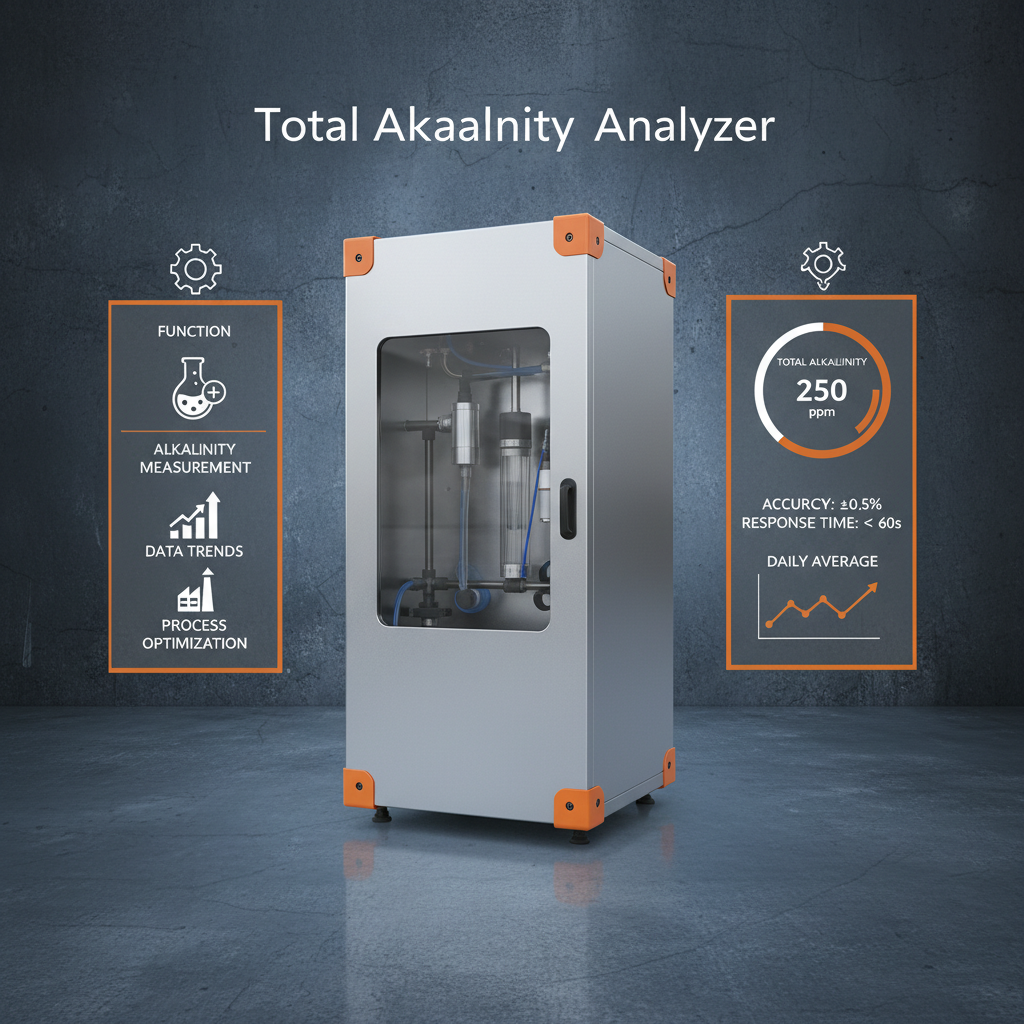
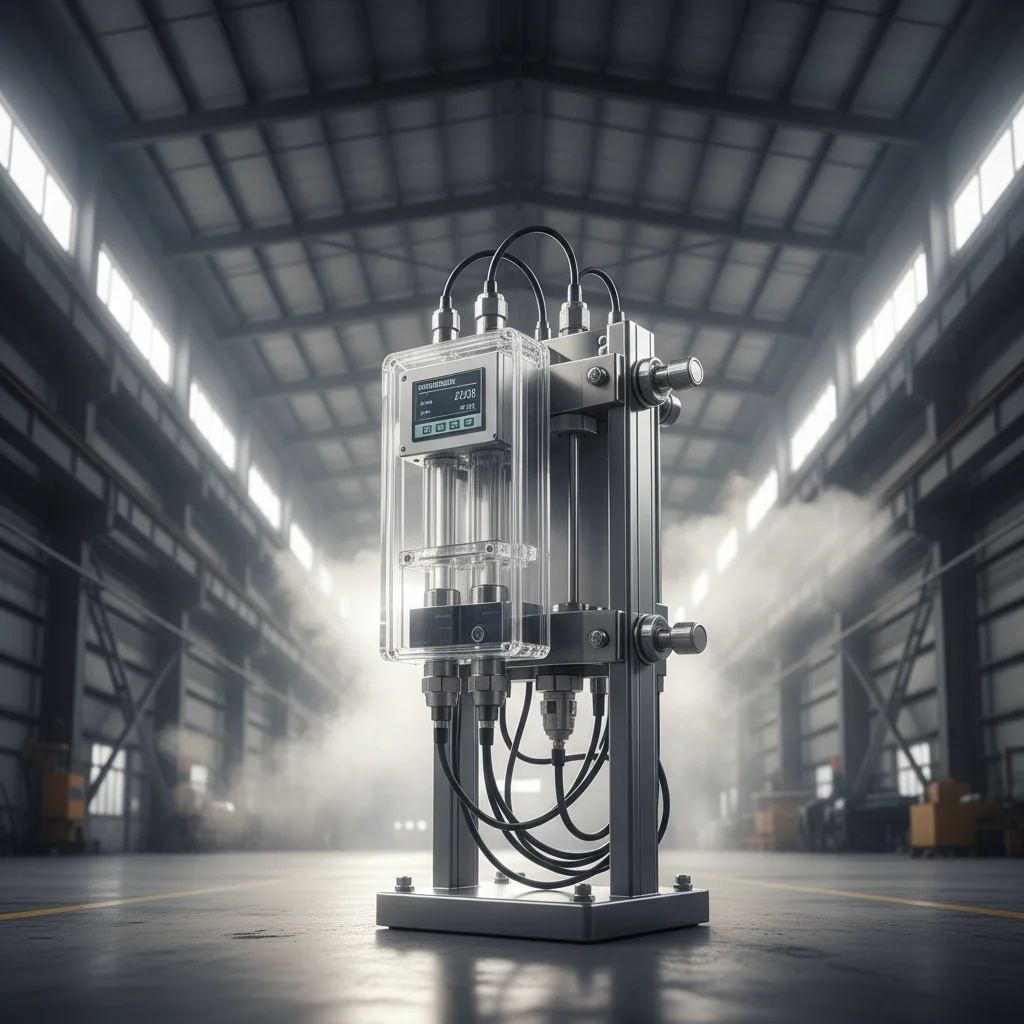
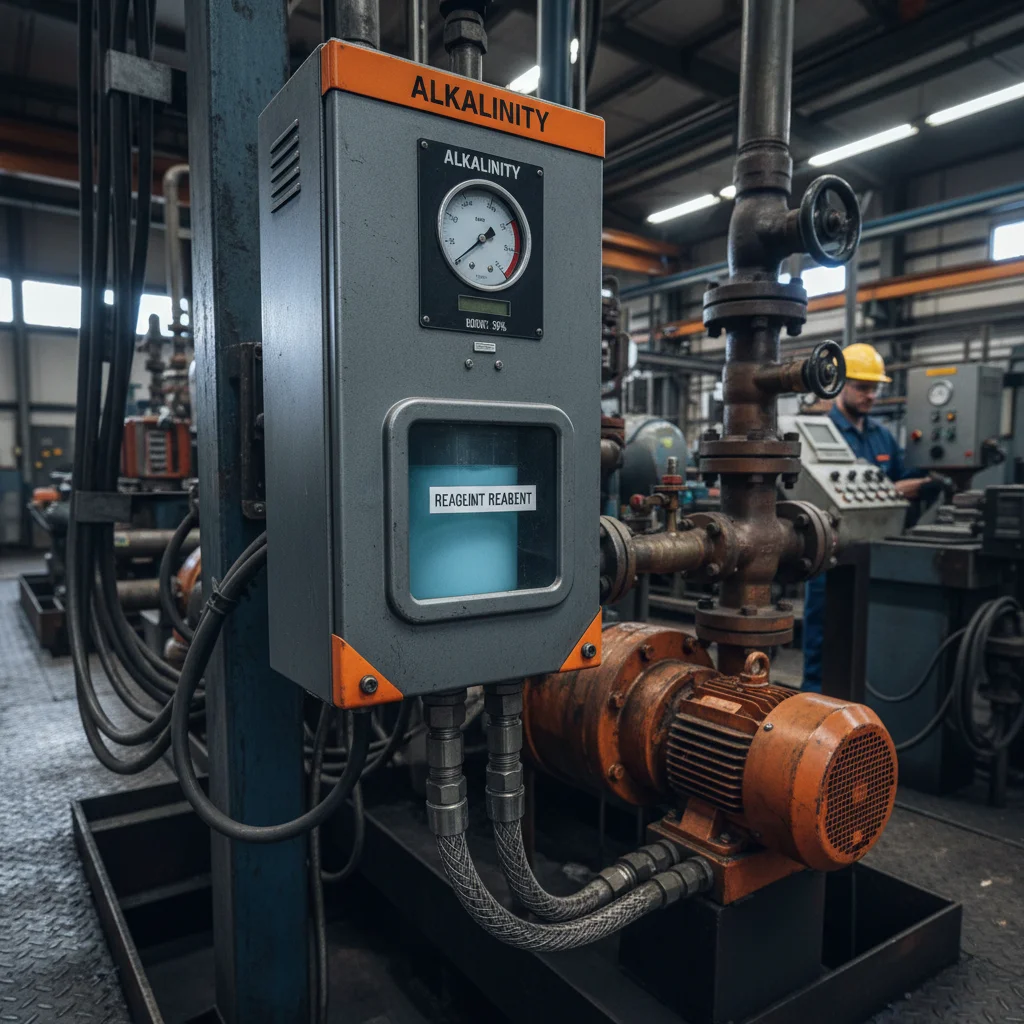
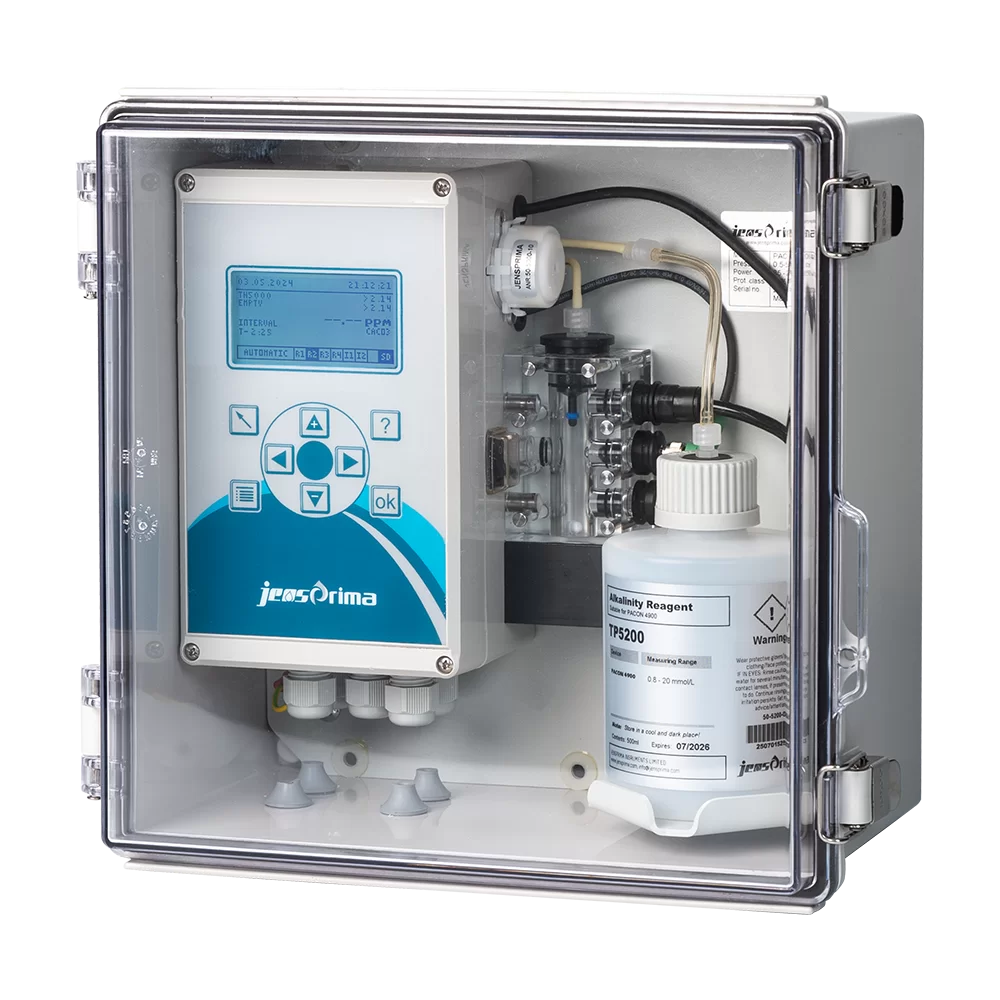
The need for accurate water quality assessment is paramount globally, impacting everything from public health and environmental sustainability to industrial efficiency and agricultural productivity. A crucial component of this assessment is understanding water's alkalinity – its capacity to neutralize acids. The Total alkalinity analyzer plays a vital role in precisely determining this capacity, offering essential data for informed decision-making across a wide range of applications.
Globally, water scarcity and pollution are increasing concerns, highlighted by UN Sustainable Development Goal 6 – Clean Water and Sanitation. Industrial discharge, agricultural runoff, and natural processes all affect alkalinity levels, influencing aquatic ecosystems and the suitability of water for various uses. Reliable, rapid, and accurate total alkalinity analyzers are therefore increasingly critical for effective water management and protection.
From ensuring safe drinking water to optimizing industrial processes and safeguarding aquatic life, accurate alkalinity measurement is not merely a technical requirement – it's a fundamental necessity for a sustainable future. The development and deployment of advanced total alkalinity analyzer technologies are driving innovation in water quality monitoring and contributing to a healthier planet.
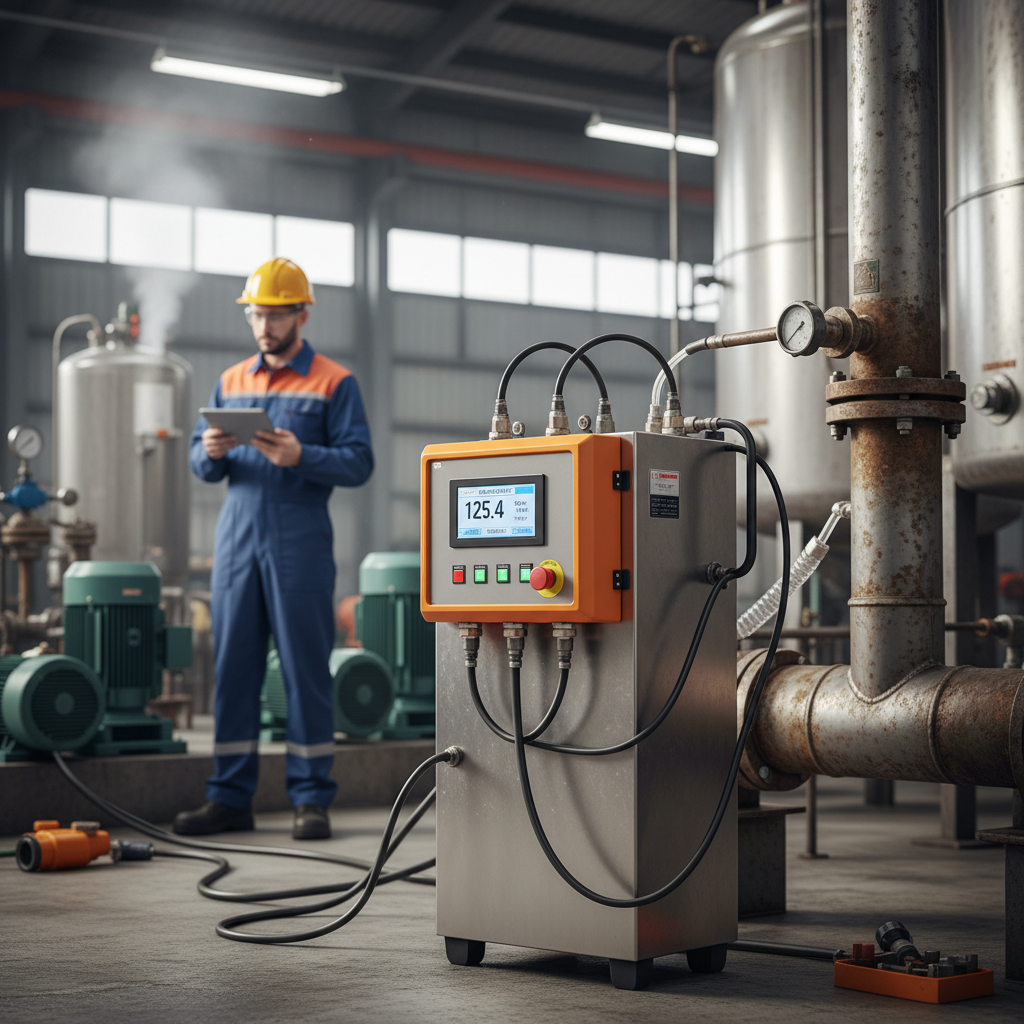
The Importance of Total Alkalinity Analyzers
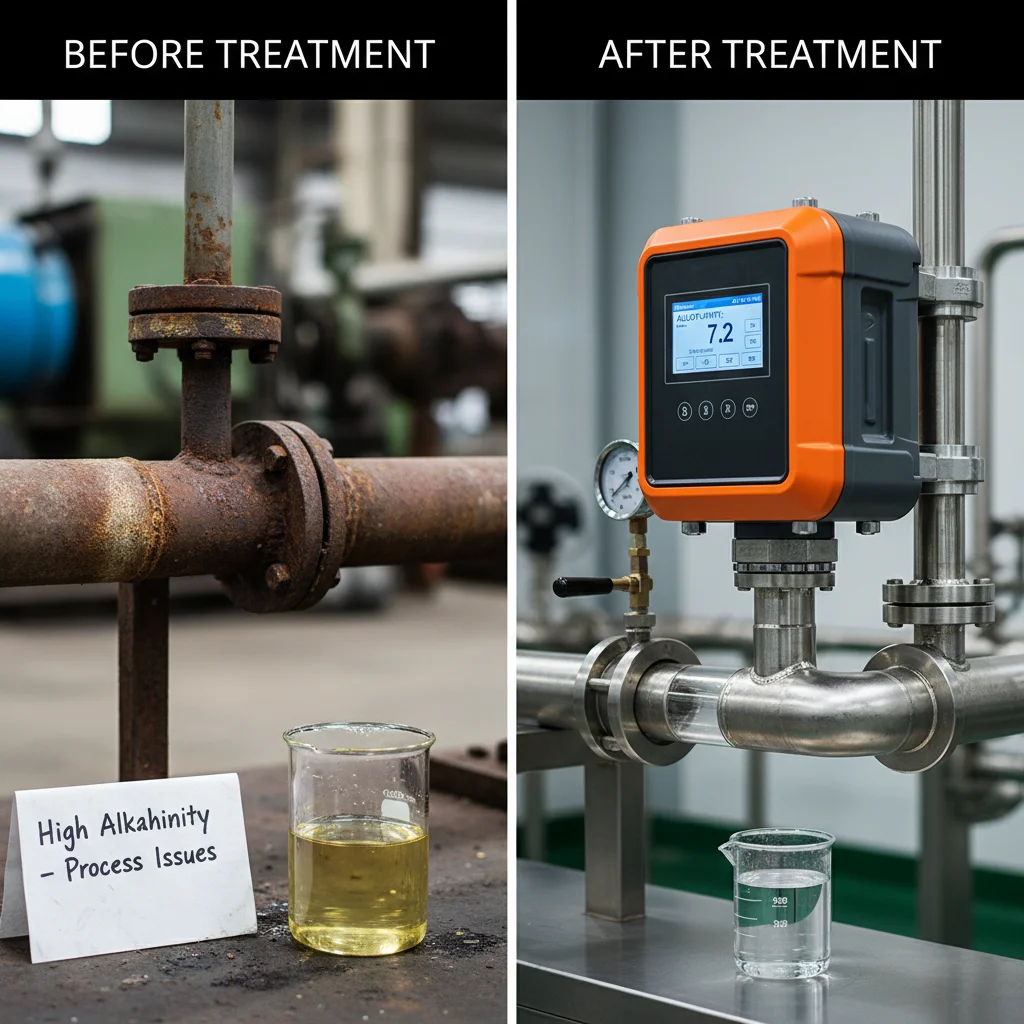
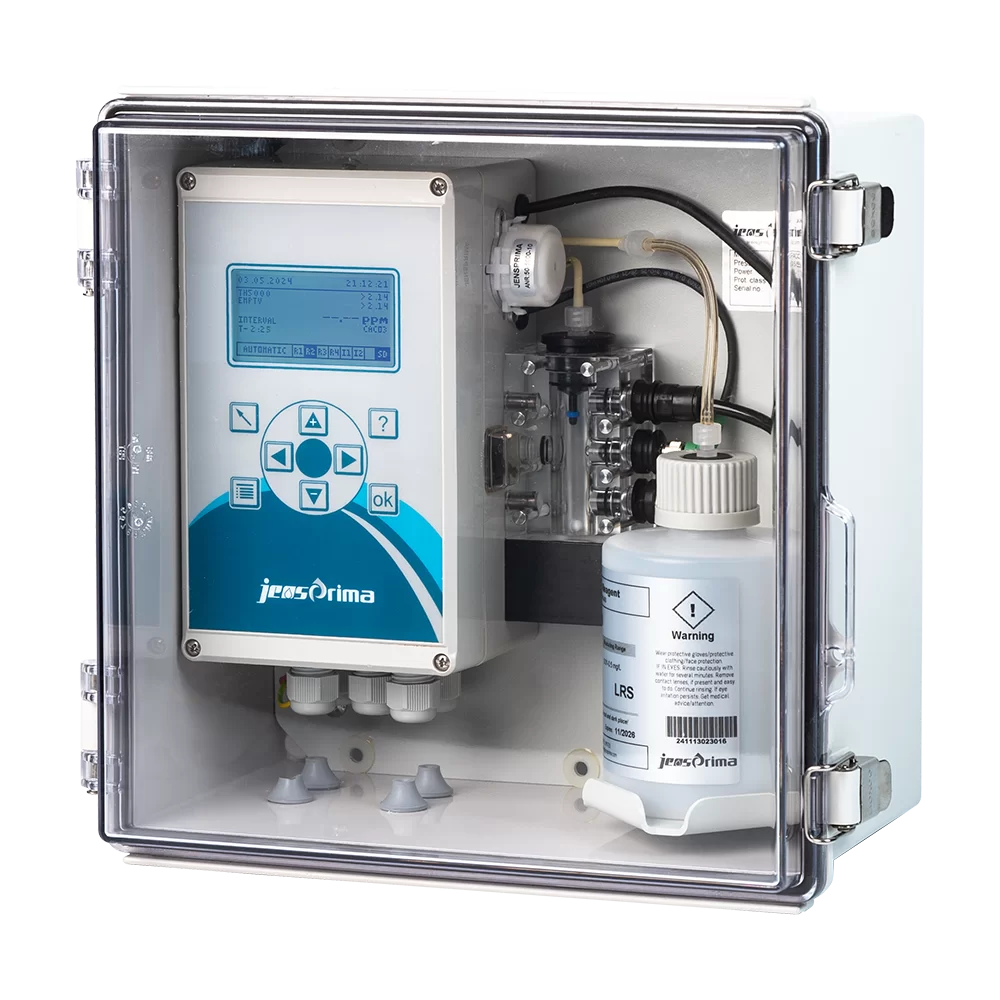
Accurate measurement of total alkalinity is foundational for effective water treatment. Understanding alkalinity allows operators to optimize chemical dosing, preventing corrosion in pipelines, and ensuring the efficiency of disinfection processes. A reliable total alkalinity analyzer is thus an essential tool for any water treatment facility.
Beyond treatment plants, the importance of alkalinity extends to ecological monitoring. Changes in alkalinity can indicate pollution events or shifts in aquatic ecosystems, affecting the health and biodiversity of rivers, lakes, and oceans. Therefore, a robust total alkalinity analyzer is invaluable for environmental scientists and regulatory agencies.
Defining Total Alkalinity and its Relevance
Total alkalinity refers to the capacity of water to resist changes in pH upon the addition of acid. It’s primarily caused by the presence of bicarbonate, carbonate, and hydroxide ions. This buffering capacity is critical for maintaining stable pH levels, which are essential for a variety of biological and chemical processes.
In modern industry, understanding alkalinity is vital for process control. For instance, in the food and beverage industry, alkalinity impacts the effectiveness of cleaning and sanitation procedures. In power generation, it influences corrosion rates in cooling systems. A precise total alkalinity analyzer provides the data necessary to optimize these processes.
From a humanitarian perspective, accurately assessing alkalinity is crucial for providing safe drinking water in emergency situations. Alkalinity affects the effectiveness of disinfection and can influence the solubility of harmful contaminants. Rapid, on-site analysis with a total alkalinity analyzer allows aid workers to quickly evaluate water quality and implement appropriate treatment strategies.
Key Features of Modern Total Alkalinity Analyzers
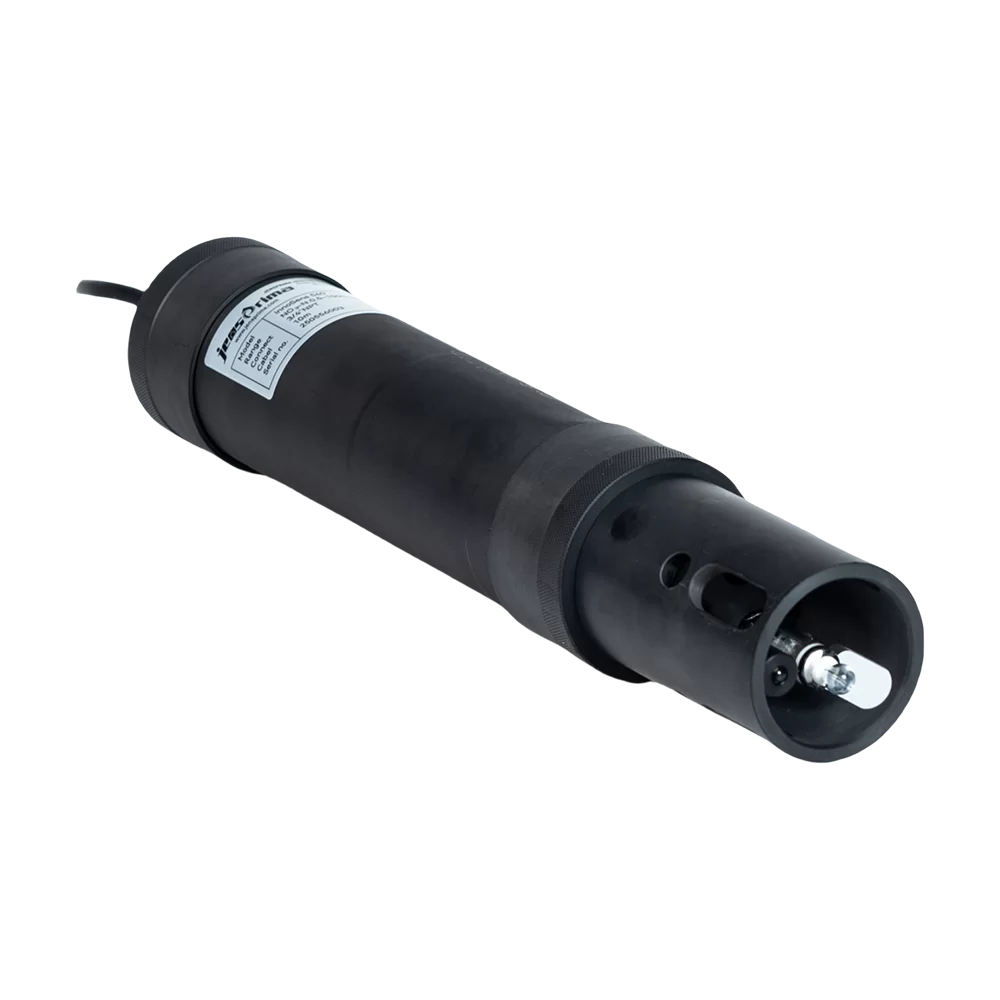
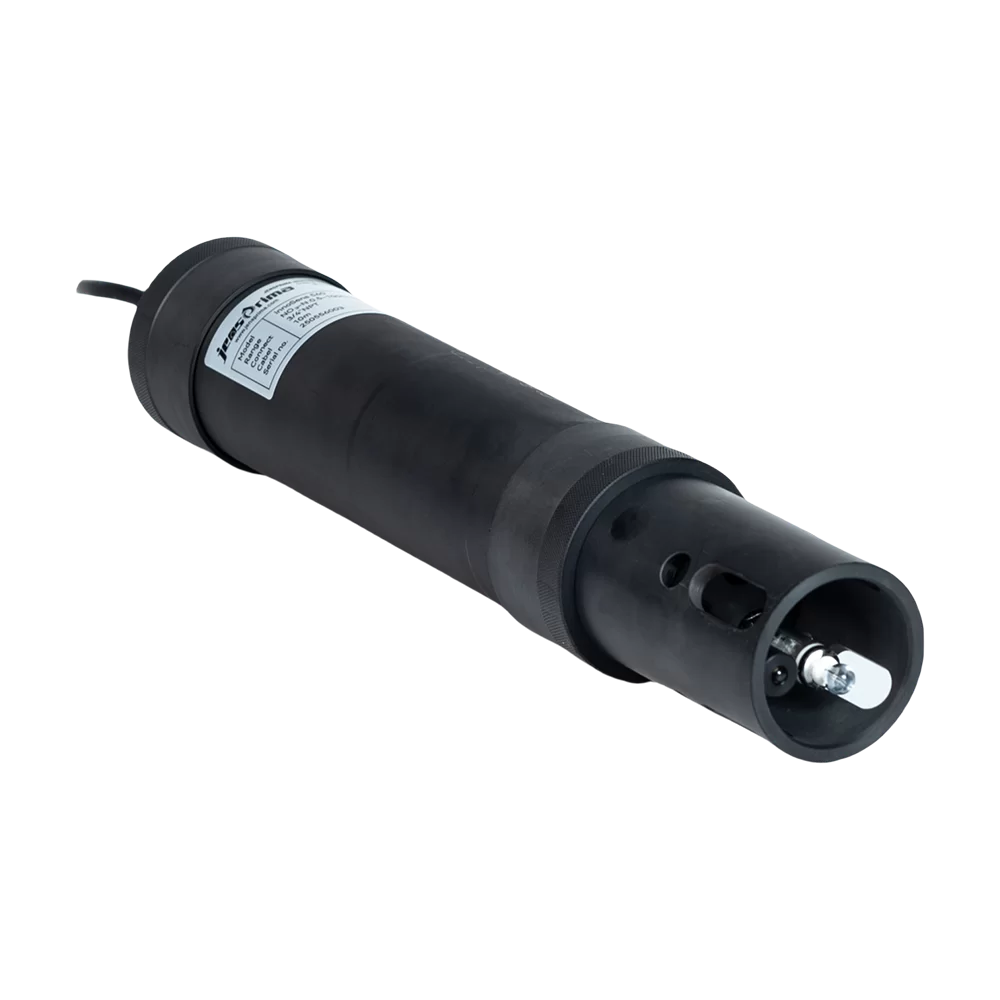
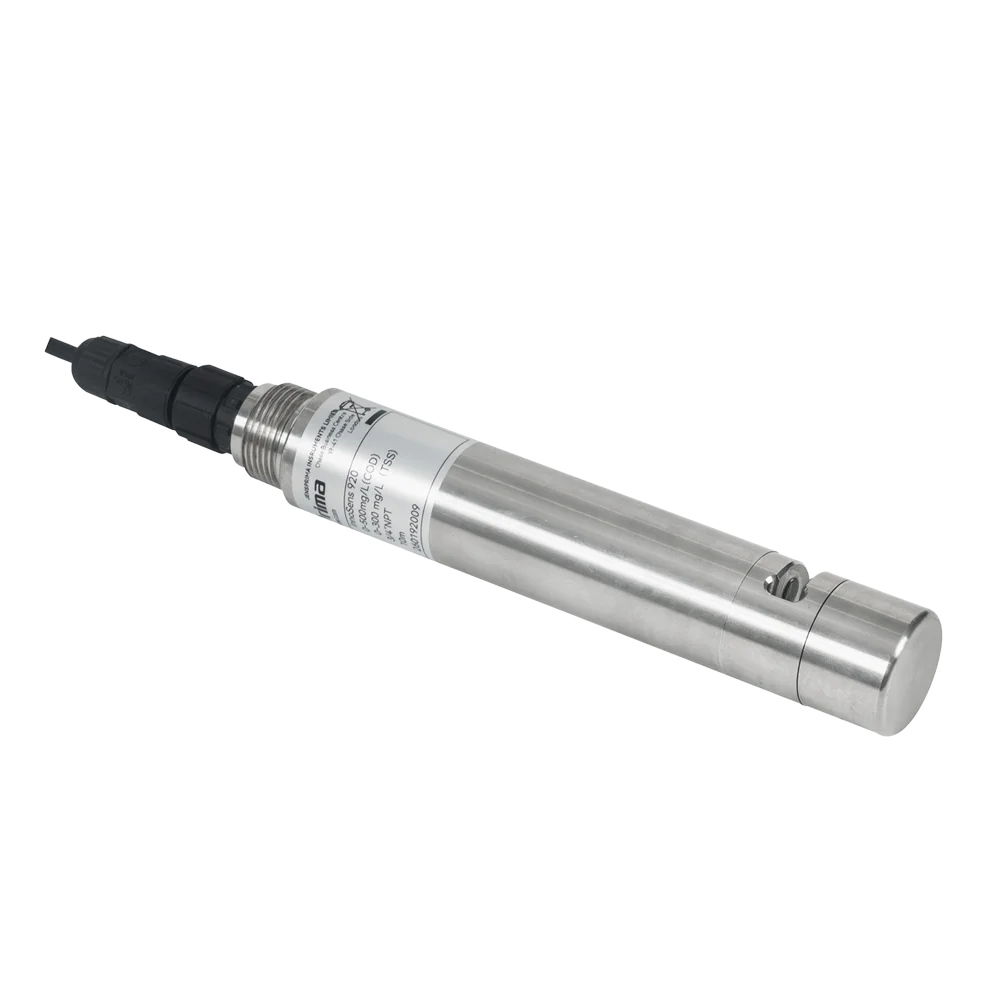
Durability is a critical feature, particularly for field applications. Modern total alkalinity analyzers are often designed with rugged housings and robust sensors to withstand harsh environments.
Accuracy and precision are paramount. Advanced analyzers employ sophisticated titration or potentiometric methods to deliver highly reliable results. Calibration procedures and quality control features ensure the consistency of measurements over time.
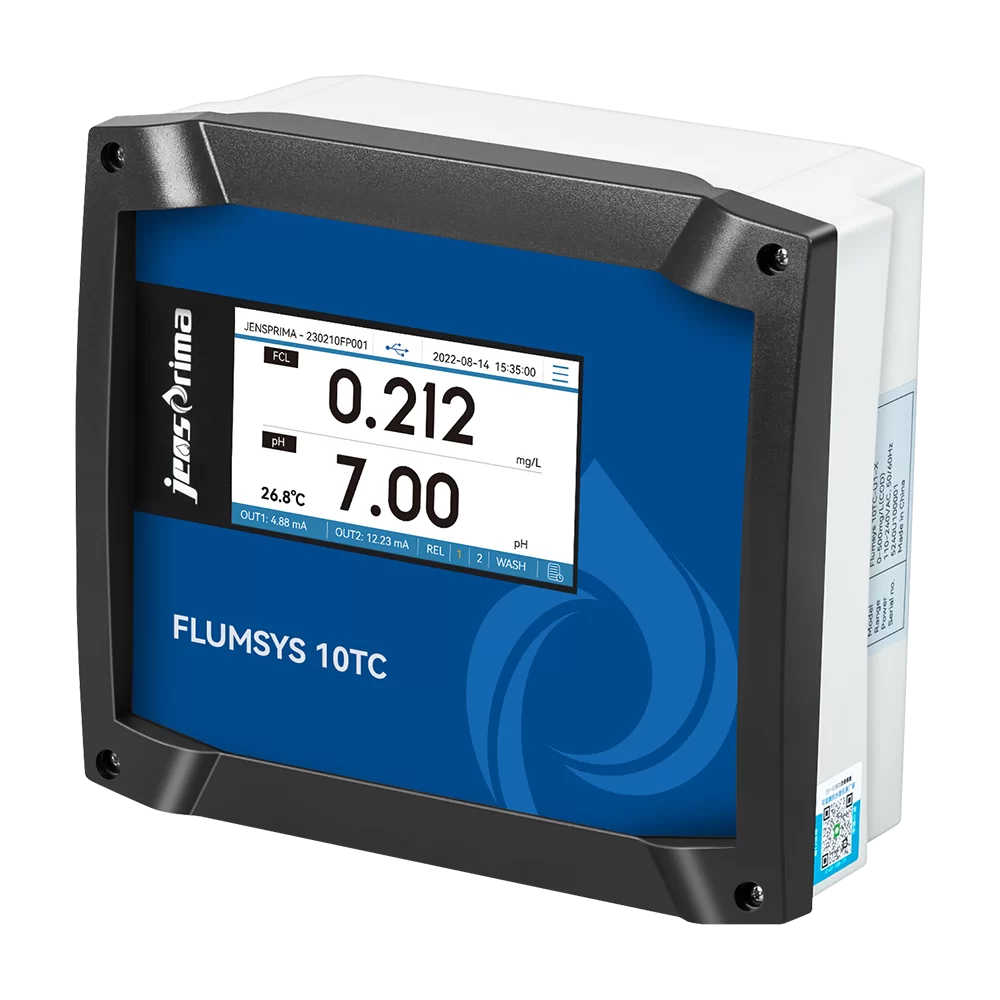
User-friendliness is increasingly important. Intuitive interfaces, automated data logging, and simplified maintenance procedures make modern analyzers accessible to a wider range of users, reducing the need for specialized training.
Practical Applications of Total Alkalinity Analyzers
In municipal water treatment, a total alkalinity analyzer is used to optimize the addition of lime or soda ash, preventing corrosion and ensuring compliance with drinking water standards.
Within the aquaculture industry, maintaining optimal alkalinity levels is vital for the health and growth of fish and shellfish. A portable total alkalinity analyzer allows farmers to monitor alkalinity in ponds and tanks, adjusting conditions as needed.
Total Alkalinity Analyzer Performance Metrics
Global Applications and Industry Impact
In post-disaster relief operations, rapid assessment of water sources is crucial. Portable total alkalinity analyzers allow aid workers to quickly identify safe water supplies and implement appropriate purification methods.
In remote industrial zones, where laboratory facilities may be limited, on-site alkalinity analysis is essential for process control and environmental monitoring. Rugged, self-contained analyzers provide reliable data without the need for complex infrastructure.
Advantages and Long-Term Value Proposition
Investing in a high-quality total alkalinity analyzer provides significant cost savings by optimizing chemical usage and preventing corrosion. Reduced maintenance costs and increased operational efficiency further enhance the return on investment.
From a sustainability perspective, accurate alkalinity measurement helps minimize environmental impact by reducing chemical discharge and protecting aquatic ecosystems. This promotes responsible water management and supports long-term ecological health.
Ultimately, a reliable total alkalinity analyzer fosters trust and transparency. Accurate data builds confidence among stakeholders – from consumers and regulators to industrial partners and environmental organizations.
Future Trends and Innovations in Alkalinity Analysis
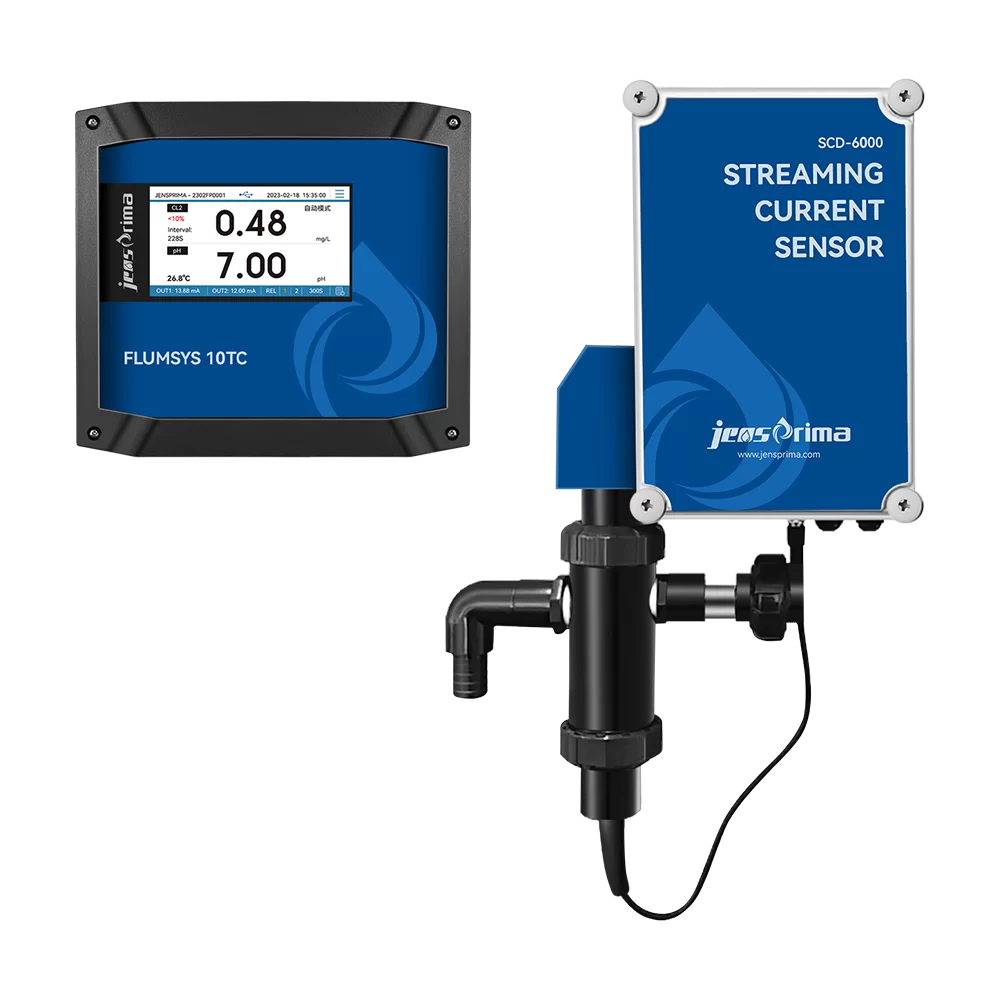
The integration of IoT (Internet of Things) technology is driving the development of smart total alkalinity analyzers. These devices can remotely transmit data, enabling real-time monitoring and automated control.
Advances in sensor technology are leading to smaller, more accurate, and more cost-effective analyzers. Miniaturization and improved performance will expand the range of applications for alkalinity measurement.
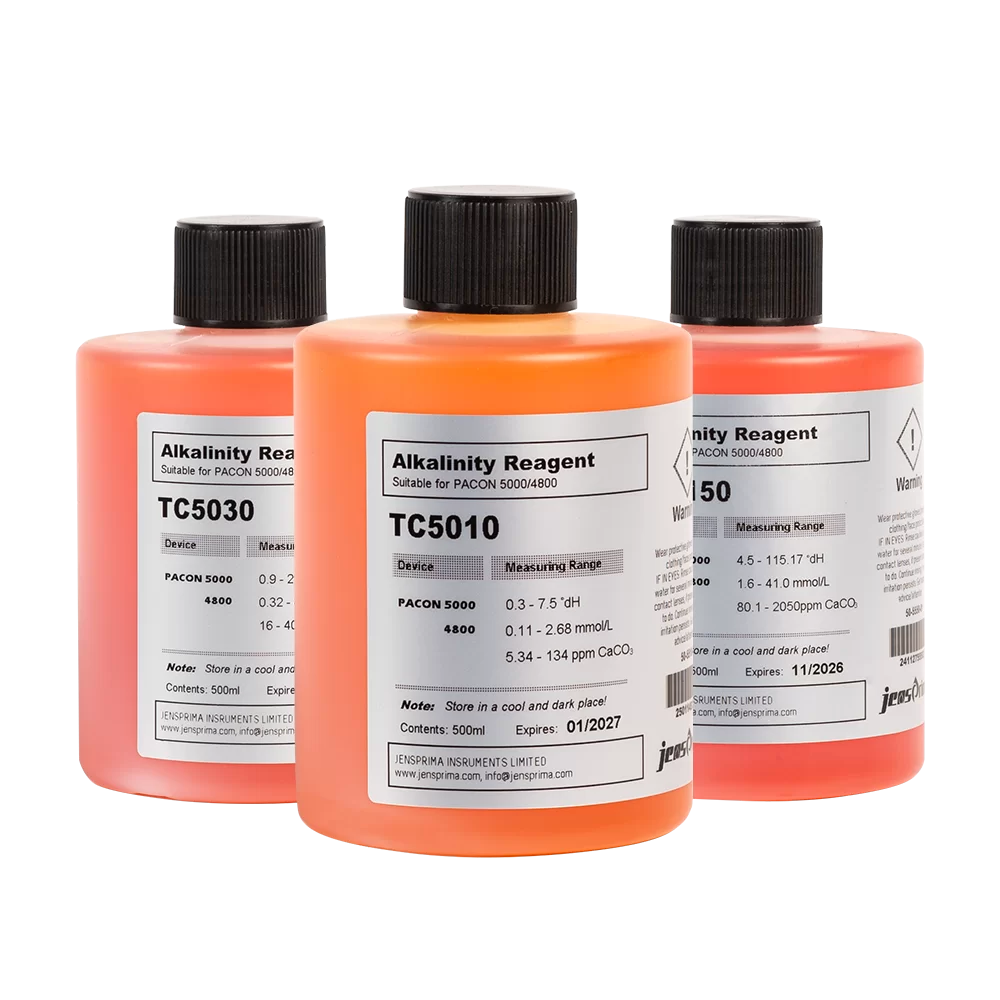
The growing emphasis on green chemistry is stimulating research into alternative titration reagents and analytical methods that minimize environmental impact. This trend will further enhance the sustainability of alkalinity analysis.
Factors Influencing Total Alkalinity Analyzer Selection
| Application Scope |
Accuracy Requirements |
Portability & Field Use |
Budget & Maintenance |
| Municipal Water Treatment |
High (Regulatory Compliance) |
Limited |
Medium to High |
| Aquaculture Monitoring |
Medium |
Essential |
Low to Medium |
| Industrial Wastewater Treatment |
Medium to High |
Variable |
Medium |
| Environmental Research |
High |
Essential |
Medium to High |
| Emergency Water Response |
Medium |
Essential |
Low |
| Food and Beverage Production |
Medium |
Variable |
Low to Medium |
FAQS
The lifespan of a total alkalinity analyzer depends heavily on the quality of the instrument, frequency of use, and maintenance practices. Generally, a well-maintained analyzer can provide accurate readings for 5-10 years. Key components like sensors and electrodes will likely require periodic replacement (every 1-3 years) to maintain accuracy. Regular calibration and adherence to manufacturer recommendations are crucial for maximizing longevity.
Calibration frequency depends on the analyzer model and the specific application. However, a general guideline is to calibrate the analyzer at least once a week, or more frequently if high accuracy is required or the instrument is used in challenging conditions. Always calibrate after replacing sensors or electrodes. Refer to the manufacturer’s instructions for specific calibration procedures and recommended intervals.
Common errors include sensor drift, electrode fouling, and inaccurate reagent concentrations. Sensor drift can be corrected through regular calibration. Electrode fouling can be prevented by proper cleaning and storage. Maintaining accurate reagent concentrations is critical for accurate titration-based measurements. Other issues may involve air bubbles in the measurement cell or incorrect temperature compensation.
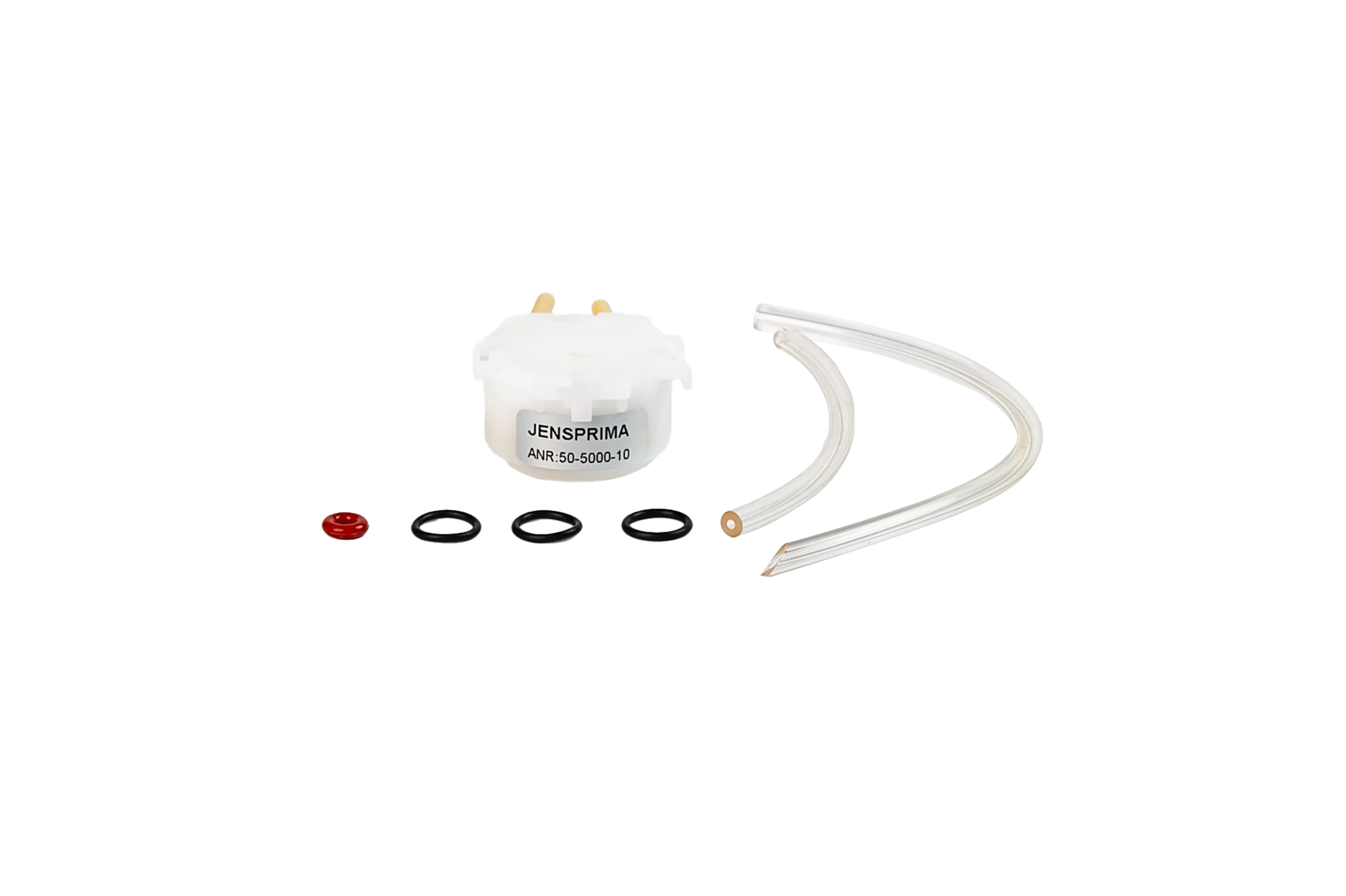
Regular maintenance includes cleaning the sensor and electrodes, checking reagent levels, inspecting tubing and connections for leaks, and verifying the calibration. Periodic sensor replacement is also necessary. Following the manufacturer’s recommended maintenance schedule is crucial for ensuring long-term reliability and accuracy. Keep a log of maintenance activities for traceability.
Yes, many total alkalinity analyzers are designed for portable field use. These analyzers are typically battery-powered, ruggedized, and lightweight. They often come with carrying cases and accessories for on-site sampling and measurement. However, field analyzers may have limitations in terms of accuracy and features compared to laboratory-based instruments.
Titration involves the gradual addition of acid to a water sample until a specific pH endpoint is reached. Potentiometric analysis uses a pH electrode to measure the pH change during titration, automating the process and providing more precise results. Titration is often more manual, while potentiometric methods are typically faster and less prone to subjective errors. Both methods can deliver accurate results with proper technique.
Conclusion
In summary, the total alkalinity analyzer is an indispensable tool for effective water quality management. From ensuring safe drinking water and optimizing industrial processes to protecting aquatic ecosystems, accurate alkalinity measurement is fundamental to a sustainable future. The key benefits of these instruments lie in their ability to deliver reliable data, improve efficiency, and minimize environmental impact.
Looking ahead, continued innovation in sensor technology, IoT integration, and data analytics will further enhance the capabilities of total alkalinity analyzers. Investing in these advanced technologies is crucial for addressing the growing global challenges related to water scarcity and pollution. Visit our website at www.jensprima.com to learn more about our range of alkalinity analysis solutions.



 Download
 Video Center
 Technical Services
 FAQS
FAQS Service Network
 Privacy Policy
 Contact Us