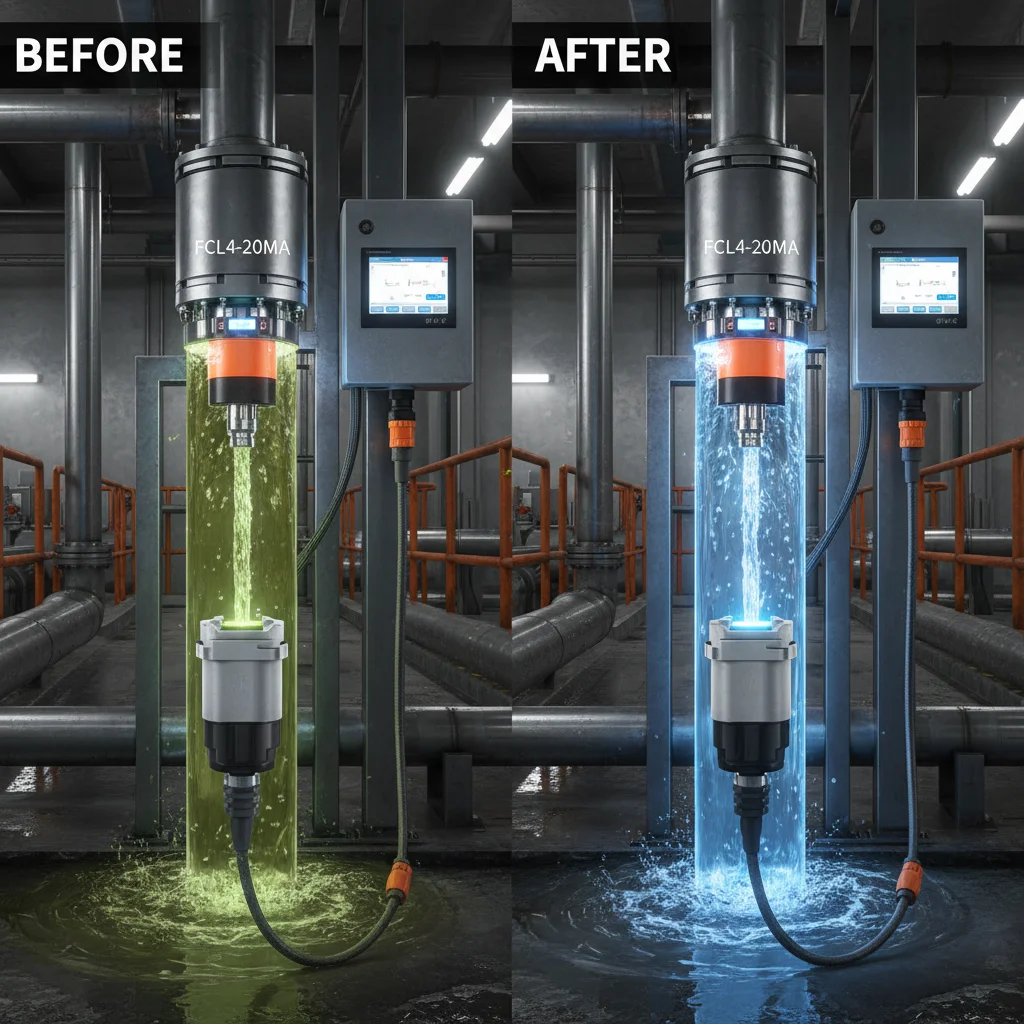
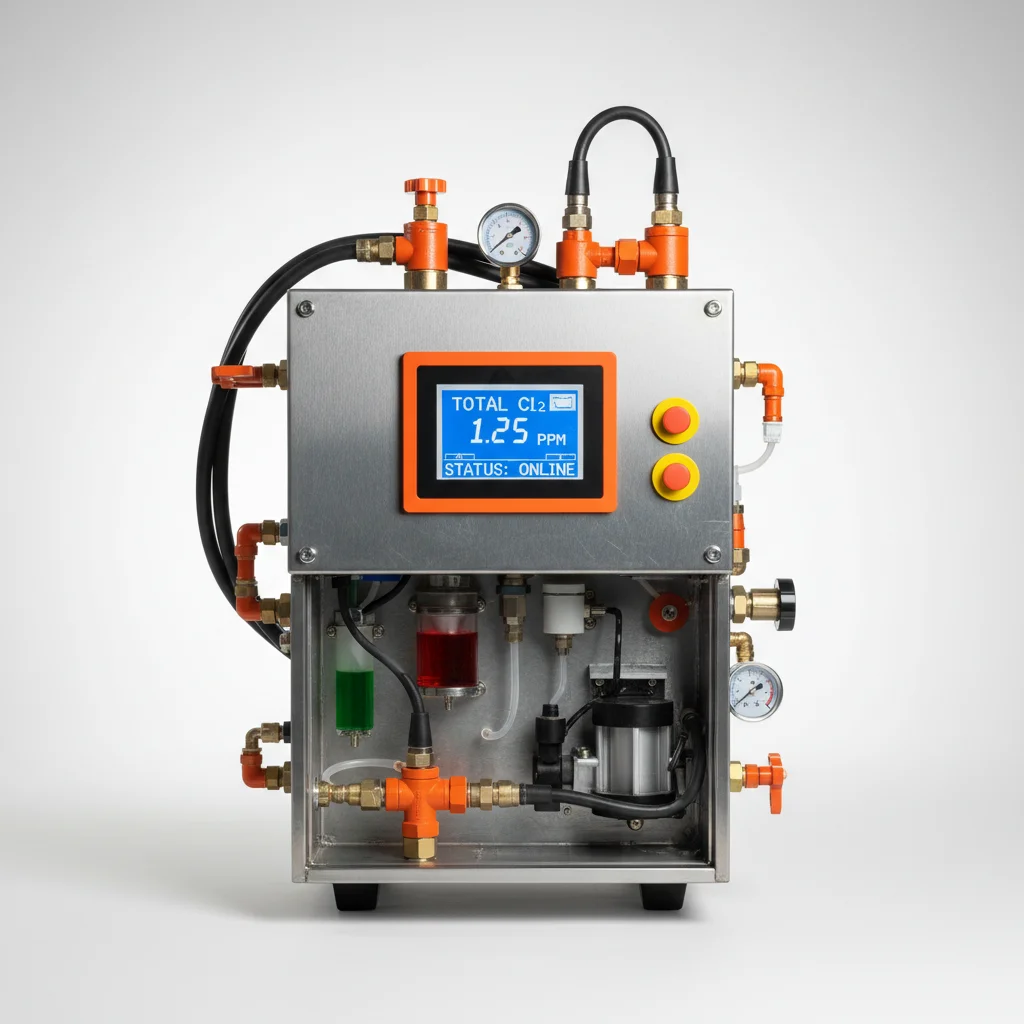
Understanding Online Hardness Analyzers: A Comprehensive Guide
In today's industrial landscape, precise material testing is crucial for ensuring product quality and performance. Online hardness analyzers play a pivotal role in this process, offering real-time, non-destructive evaluation of material hardness. This article provides a detailed overview of online hardness analyzers, their applications, benefits, and key considerations for selecting the right system. We’ll explore the technology behind these instruments and why they’re essential for modern manufacturing.
What is an Online Hardness Analyzer?
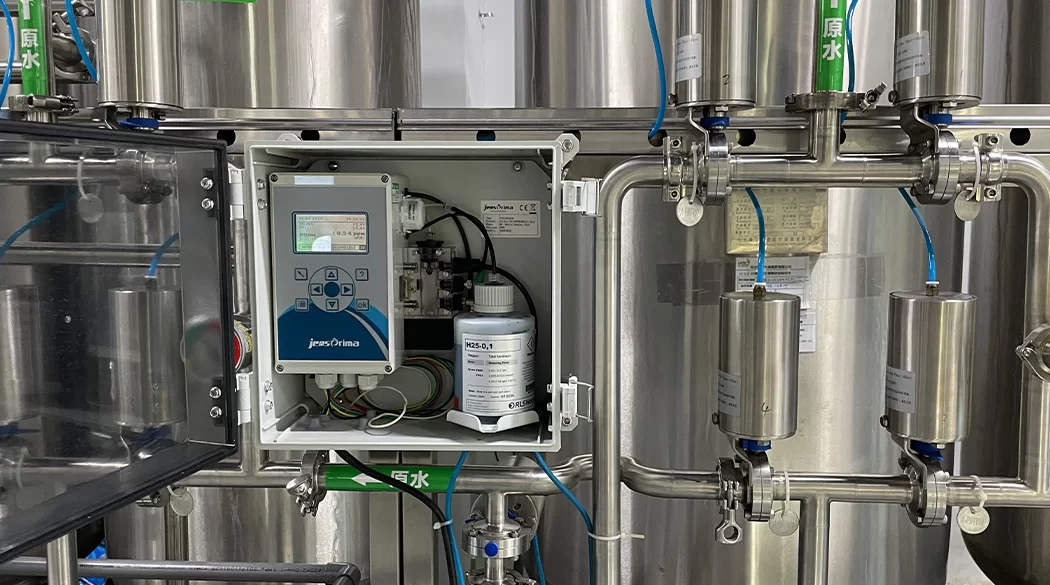
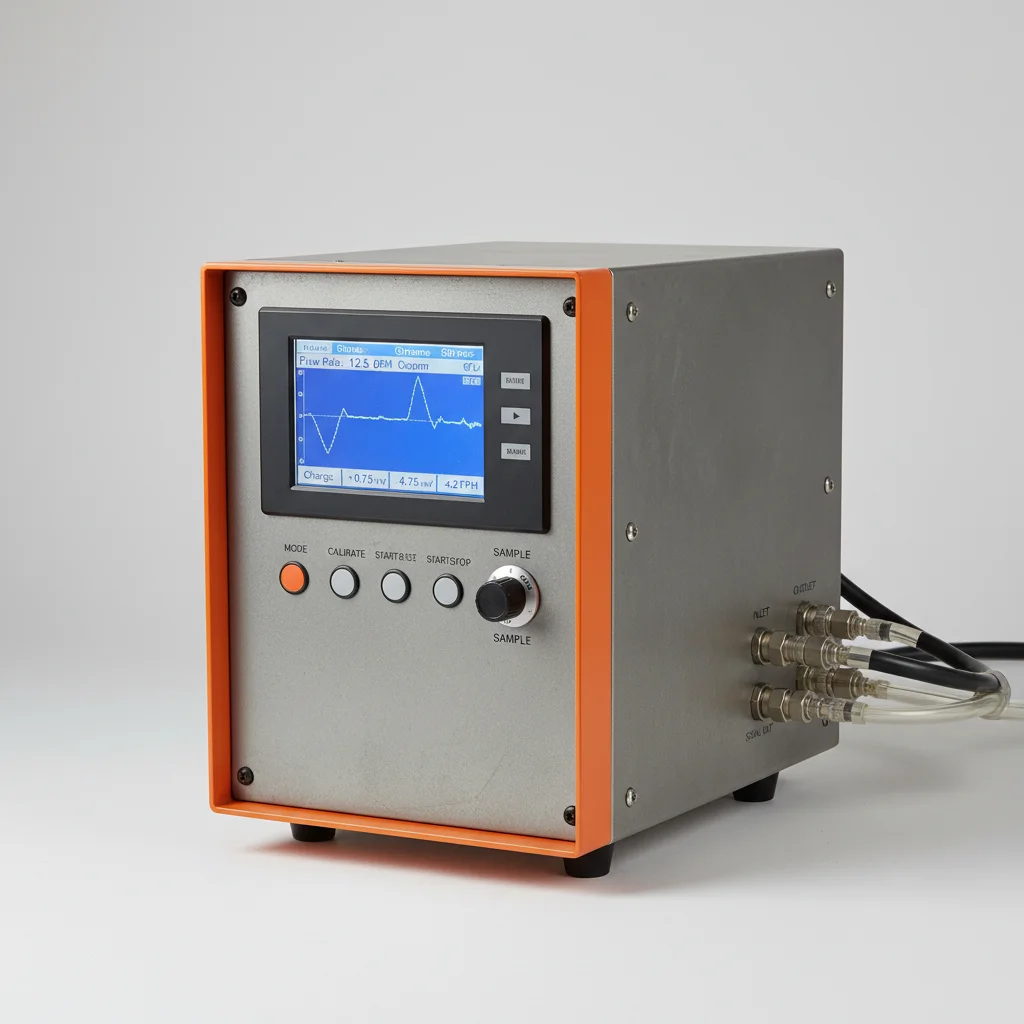
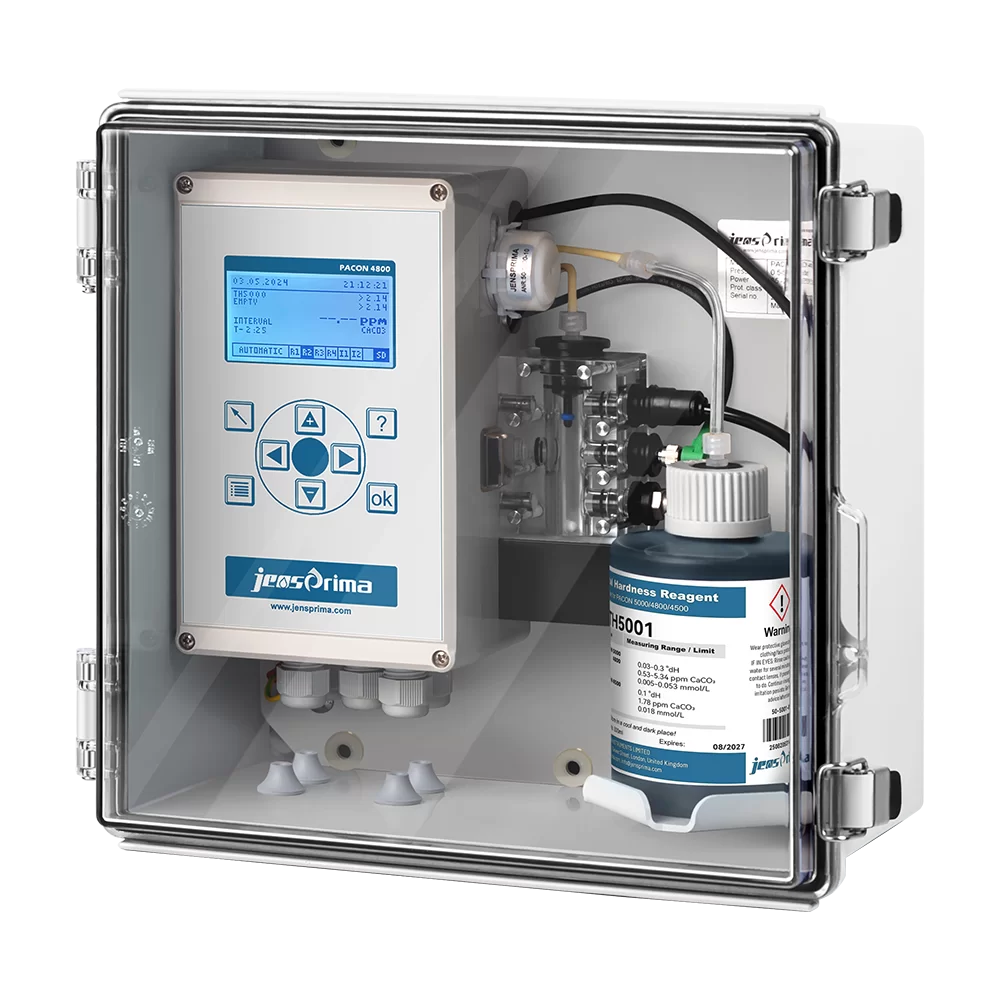
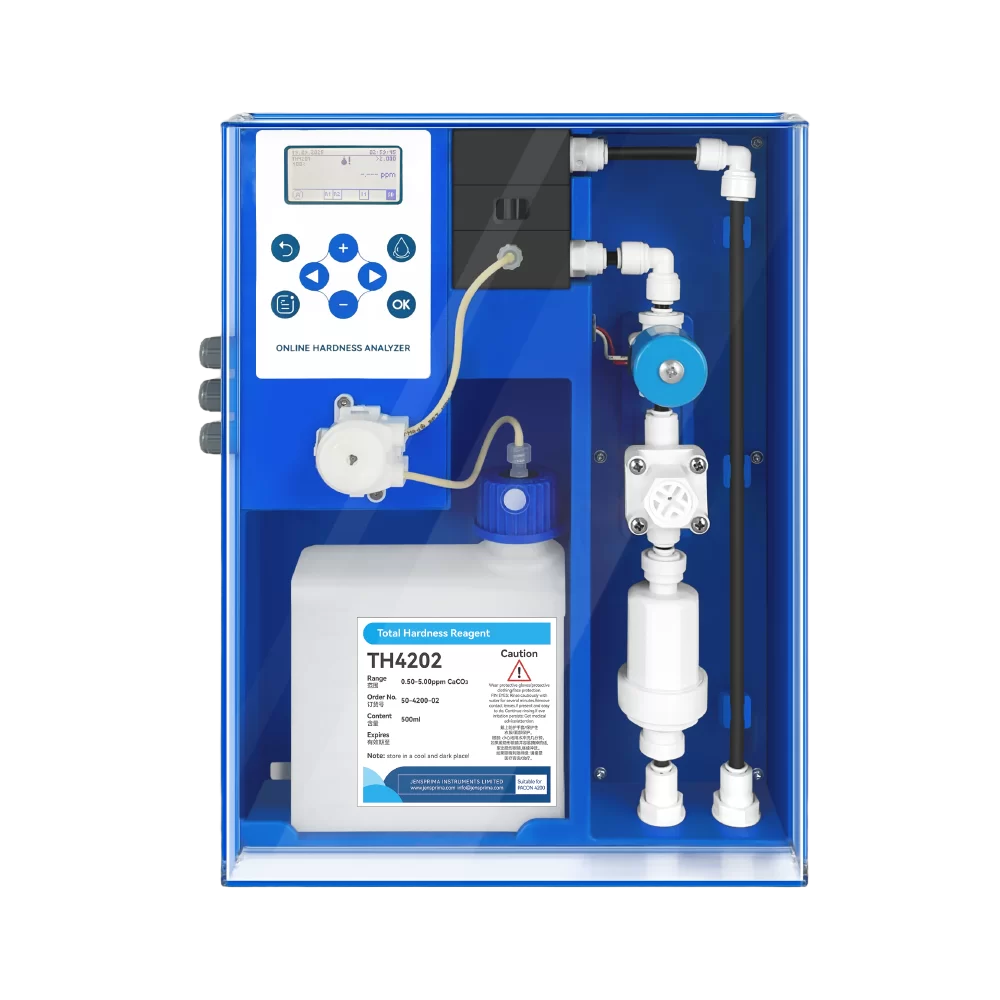
An online hardness analyzer is a sophisticated instrument designed to measure the hardness of materials during the manufacturing process, without requiring sample removal or laboratory testing. Unlike traditional hardness testing methods that involve taking samples and performing off-line analysis, online analyzers provide continuous, real-time data. This allows for immediate adjustments to production parameters, preventing defects and optimizing material properties. These systems often integrate directly into production lines, enabling automated quality control. They commonly utilize technologies like eddy current, ultrasonic, or magnetic induction to assess hardness levels.
Key Benefits: Continuous monitoring, real-time data, non-destructive testing, reduced labor costs, improved product quality, and automated process control.
Applications of Online Hardness Analyzers
The applications of online hardness analyzers are diverse and span across numerous industries. They are particularly valuable in the metals industry, where hardness is a critical factor in determining material strength and durability. Common applications include: steel production, heat treatment monitoring, wire and rod manufacturing, non-ferrous metal processing, and surface hardening processes. Furthermore, they are used to ensure the consistent quality of materials in automotive, aerospace, and medical device manufacturing.
Industry Applications:
• Steel Manufacturing
• Automotive Components
• Aerospace Engineering
• Wire and Cable Production
Online Hardness Analyzer Technologies: A Comparative Overview
Several technologies are employed in online hardness analyzers, each with its own strengths and limitations. The most common include Eddy Current, Ultrasonic Contact, and Magnetic Induction. Understanding these differences is essential for choosing the appropriate system for a specific application. Here’s a breakdown:
| Technology |
Principle |
Materials |
Accuracy |
| Eddy Current |
Measures changes in eddy current flow induced by material properties. |
Ferrous metals, surface hardness. |
Medium |
| Ultrasonic Contact |
Measures the time it takes for an ultrasonic pulse to travel through the material. |
Wide range of materials including metals, plastics, ceramics. |
High |
| Magnetic Induction |
Measures the magnetic permeability of the material. |
Ferrous materials, case hardened components. |
Medium to High |
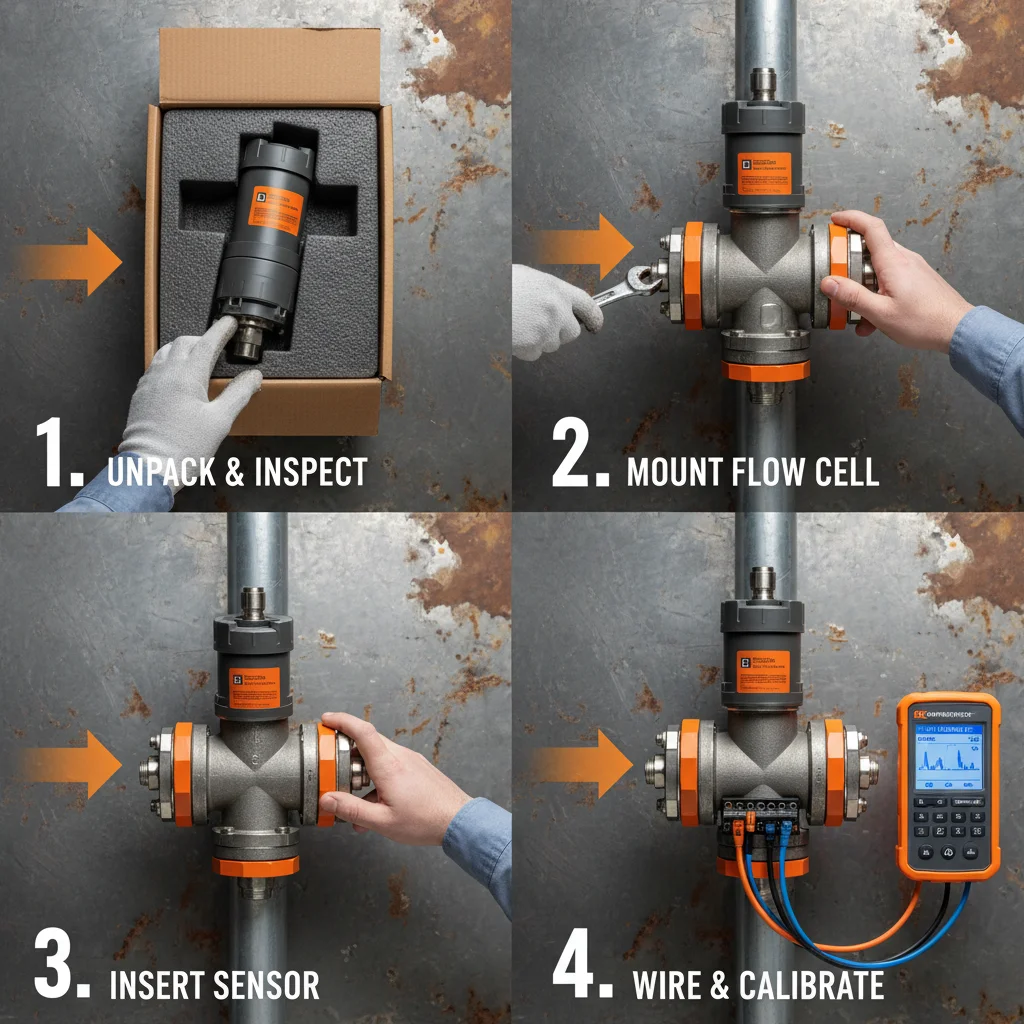
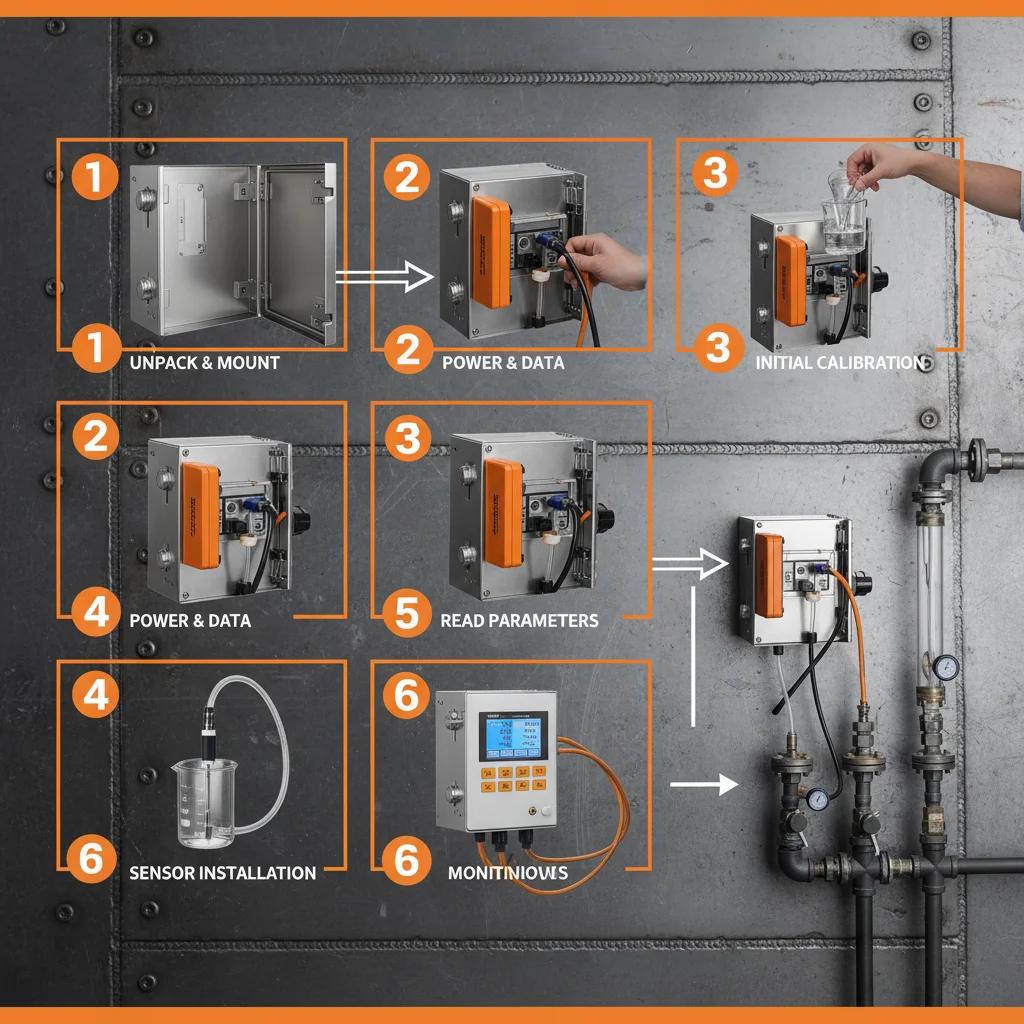
Choosing the appropriate online hardness analyzer requires careful consideration of several factors. First, identify the material being tested. Different technologies are better suited for different materials. Second, determine the required level of accuracy. High-precision applications demand more sophisticated systems. Third, consider the production environment, including temperature, vibration, and space constraints. Finally, assess the level of integration required with existing control systems. Jensprima offers a wide range of solutions to meet these needs, along with expert guidance in selecting the optimal system for your specific application.
Benefits of Partnering with Jensprima for Online Hardness Analysis
At Jensprima, we provide cutting-edge online hardness analyzer solutions coupled with exceptional customer support. We focus on delivering reliable, accurate, and user-friendly systems tailored to your unique manufacturing processes. Our expertise extends beyond product sales; we offer comprehensive installation, training, and maintenance services to ensure optimal performance and long-term value. We're committed to helping you improve product quality, reduce costs, and streamline your operations.
Conclusion: Enhance Quality Control with Online Hardness Analysis
Investing in an online hardness analyzer is a strategic move towards improved quality control, increased efficiency, and reduced manufacturing costs. By embracing real-time monitoring and automated analysis, businesses can proactively address material variations, prevent defects, and ensure consistent product performance. Jensprima is your trusted partner in delivering innovative and reliable hardness analysis solutions.
Frequently Asked Questions (FAQs)
What is the typical return on investment (ROI) for implementing an online hardness analyzer?
The ROI for an online hardness analyzer varies depending on the specific application and the cost of defects it prevents. However, companies often see a significant return within 6-18 months. This is achieved through reduced scrap rates, decreased rework, lower warranty claims, and optimized material usage. The ability to identify and correct process variations in real-time prevents costly errors and ensures consistent product quality, ultimately leading to substantial savings. Consider the cost of failing to detect hardness issues – the analyzer quickly pays for itself.
How much maintenance is required for an online hardness analyzer?
Online hardness analyzers are designed for minimal maintenance. Regular calibration is essential to ensure accurate readings, typically performed every 6-12 months. Periodic cleaning of the sensor surface and inspection of connecting cables are also recommended. Jensprima offers comprehensive maintenance contracts and remote diagnostic services to simplify upkeep and maximize system uptime.
Can online hardness analyzers be integrated with existing process control systems?
Yes, most modern online hardness analyzers are designed for seamless integration with existing Programmable Logic Controllers (PLCs) and Supervisory Control and Data Acquisition (SCADA) systems. They typically utilize standard communication protocols such as Ethernet/IP, Profibus, or Modbus TCP. This allows for real-time data exchange and automated process adjustments based on hardness measurements, creating a closed-loop control system. Jensprima provides integration support to ensure a smooth and efficient implementation.
What training is provided with a Jensprima online hardness analyzer?
Jensprima offers comprehensive training programs tailored to the specific analyzer model and application. These programs cover system operation, calibration procedures, data interpretation, and basic troubleshooting. Training can be conducted on-site or at our facilities, and we also provide online resources and documentation to support ongoing learning. Our goal is to empower your team to effectively utilize the analyzer and maximize its benefits.






 Download
 Video Center
 Technical Services
 FAQS
FAQS Service Network
 Privacy Policy
 Contact Us





 LEARN MORE